Choosing the best water softener filter in 2026 begins with your water, not a product label. Hardness levels vary between homes, even within the same neighborhood. A private well may contain iron, manganese, sediment, or sulfur odors. Municipal water can bring chlorine and changing mineral levels. Test before buying.
Dr. Joseph Cotruvo, a respected drinking-water treatment expert, has said, “Treatment should be based on the quality of the source water.” That principle remains practical. A softener reduces calcium and magnesium through ion exchange. A filter may target sediment, chlorine, or specific contaminants. They are not interchangeable. Some products combine both functions, but their capacity can be misunderstood.
Look for independent certification, such as NSF/ANSI 44 for residential cation-exchange softeners. Check grain capacity, service flow rate, regeneration settings, and salt efficiency. Measure your household’s peak demand. A small unit may struggle when showers, laundry, and dishwashing run together. An oversized unit may waste space and resources. That detail is easy to miss.
There is no perfect choice.
Your plumbing age, water pressure, budget, and maintenance habits also matter. A high-capacity model sounds impressive, yet it may be unnecessary for two people. A salt-free conditioner may reduce scale, but it does not truly soften water. This guide compares realistic options, common marketing claims, and the compromises homeowners often discover after installation. Expect some uncertainty. Water treatment is rarely as simple as a single product ranking.
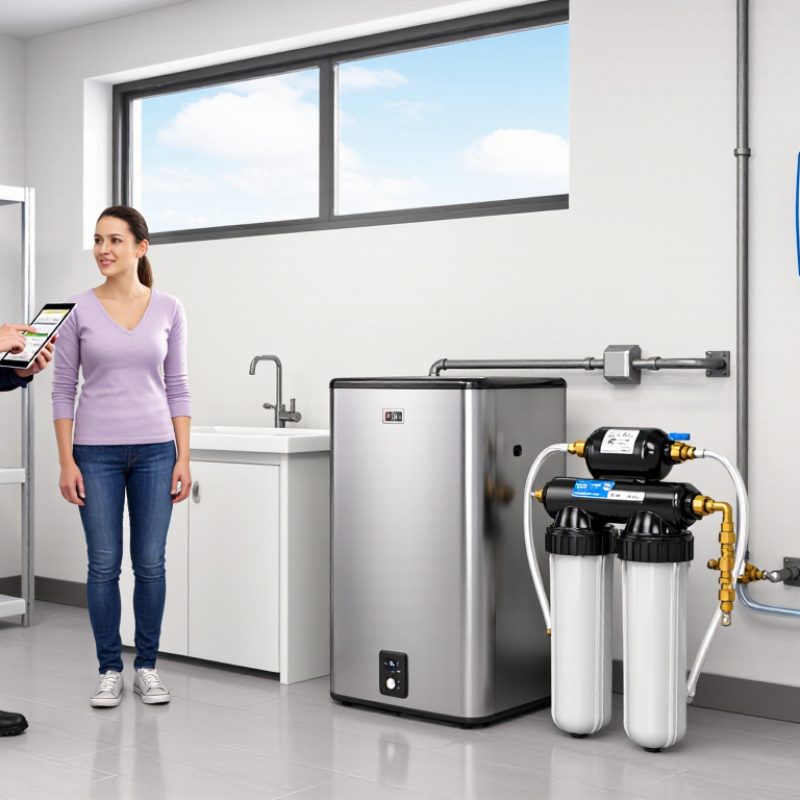
How to Choose the Best Water Softener Filter in 2026?
Choosing a water treatment system starts with identifying the actual problem. A water softener is designed for hard water. It reduces calcium and magnesium through ion exchange, helping prevent scale on faucets, shower glass, and heating elements. A water filter has a different purpose. Depending on its media, it may reduce sediment, chlorine taste, odors, or specific contaminants. It usually does not remove hardness. A filter can improve taste while white deposits still cover the kettle. I have seen this mismatch in household water checks.
Test the water before purchasing equipment. A certified laboratory report or local water report offers stronger evidence than a product label. Check the contaminant claims carefully. For a softener, review grain capacity, water usage, regeneration settings, and drainage requirements. For a filter, examine flow rate, cartridge life, and replacement cost. Read the performance sheet.
Salt-free conditioners are also worth questioning. Some reduce scale formation, but they generally do not remove calcium or magnesium. A larger tank is not automatically better. Household size, plumbing, water pressure, and daily consumption all affect performance. Drinking water may need point-of-use filtration, while hard water often requires whole-house treatment. My own preference is to leave room for doubt: water conditions change, and an initial test may not reveal every seasonal variation.
| System or Technology | Primary Function | Main Contaminants Addressed | How It Works | Best Use Case | Important Limitations |
|---|---|---|---|---|---|
| Ion-Exchange Water Softener | Reduces water hardness and scale formation | Calcium and magnesium ions | A resin exchanges calcium and magnesium for sodium or, in some systems, potassium ions. | Homes with hard water, scale on fixtures, reduced soap lather, or shortened appliance life | Does not generally remove microorganisms, dissolved chemicals, sediment, or most odors; requires regeneration salt or another regenerant. |
| Sediment Filter | Protects plumbing and downstream treatment equipment | Sand, silt, rust particles, and other suspended solids | A physical filter traps particles above its rated micron size. | Well water or visibly cloudy water with particulate matter | Does not soften water or reliably remove dissolved contaminants; cartridges require regular replacement. |
| Activated Carbon Filter | Improves taste and odor | Chlorine, some taste- and odor-causing compounds, and certain organic chemicals | Adsorption holds selected contaminants on the surface of carbon media. | Municipal water with chlorine taste or odor | Does not reduce hardness; performance varies by carbon type, contact time, water quality, and cartridge condition. |
| Reverse Osmosis System | Produces highly treated drinking water at a dedicated outlet | Many dissolved salts, some metals, nitrate, and other contaminants, depending on certification and membrane design | Pressure forces water through a semipermeable membrane while rejecting many dissolved substances. | Point-of-use drinking and cooking water when laboratory results identify dissolved contaminants | Not normally a whole-house softener; produces reject water and requires prefilters, membrane replacement, and adequate pressure. |
| Ultraviolet Disinfection | Inactivates microorganisms | Many bacteria, viruses, and protozoa when the system is correctly sized and maintained | Ultraviolet light damages microbial genetic material and prevents reproduction. | Private wells with microbiological risks after suitable prefiltration | Does not remove hardness, chemicals, sediment, or taste; water must be sufficiently clear for effective UV transmission. |
| Salt-Free Scale-Reduction Conditioner | Reduces the tendency of scale to adhere to surfaces | Addresses scale behavior rather than removing calcium and magnesium | Media condition minerals so they are less likely to form hard deposits on surfaces. | Users seeking a low-maintenance option where actual hardness removal is not required | Does not produce softened water, does not lower hardness test results, and results depend on water chemistry and system design. |
| Hardness Level | Hardness as CaCO3 | Approximate Grains per Gallon | Typical Recommendation |
|---|---|---|---|
| Soft | 0–60 mg/L | 0–3.5 gpg | A softener is usually unnecessary unless a specific water-quality issue exists. |
| Moderately hard | 61–120 mg/L | 3.6–7.0 gpg | Consider a softener if scale, spotting, or appliance problems are noticeable. |
| Hard | 121–180 mg/L | 7.1–10.5 gpg | An ion-exchange softener is often suitable when whole-house scale control is needed. |
| Very hard | More than 180 mg/L | More than 10.5 gpg | Test the water and size the softener according to hardness, household demand, iron, and manganese levels. |
Note: 1 grain per gallon (gpg) is approximately equal to 17.1 mg/L of hardness expressed as calcium carbonate (CaCO3). Actual treatment requirements should be based on a current laboratory or certified water-quality test.
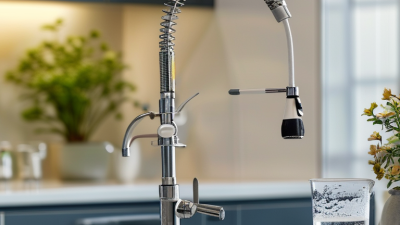
Choosing a water softener filter in 2026 should begin with your water, not a product label. Hard white scale on faucets suggests hardness from calcium or magnesium. Orange stains may indicate iron. A sulfur smell can point to hydrogen sulfide, while a chlorine taste may come from municipal treatment. These clues help, but they cannot confirm a diagnosis.
Test your water before selecting equipment. A certified laboratory can measure hardness, iron, manganese, pH, total dissolved solids, and microbial safety. Your local water report may provide useful data, but private wells need more careful testing. I would not choose a softener from hardness alone. That shortcut sounds efficient, yet it can leave unpleasant odors, sediment, or unsafe contaminants untreated. A softener mainly reduces hardness through ion exchange; it does not replace a complete filtration system.
HOME WATER EVALUATION
Record how many people live in the home and how much water they use daily. Note whether scale appears on shower glass, kettle walls, or inside a water heater. These details help estimate the needed treatment capacity and regeneration schedule. A unit that is too small may regenerate often and waste more salt and water. One that is oversized may cost more than necessary. My own evaluation would include maintenance space, drainage access, and salt handling. I would also recheck the water after installation, because household plumbing can affect results. The first choice is sometimes wrong. Testing should guide the correction.
Water hardness changes by location and season. The U.S. Geological Survey classifies water above 120 mg/L as hard, measured as calcium carbonate. Above 180 mg/L is very hard. This matters because calcium and magnesium can leave white scale on shower glass, kettles, and heating elements. A laboratory test should guide your choice. Guessing from taste is unreliable.
Ion-exchange softeners Ion-exchange softeners remove calcium and magnesium through resin beads. They are usually the strongest option for serious scale control. NSF/ANSI 44 evaluates residential cation-exchange softeners, including capacity, pressure loss, and regeneration performance. Check salt use, rated grain capacity, and regeneration settings. A smaller unit may regenerate too often. An oversized unit can waste water.
Template-assisted crystallization changes minerals into less adhesive crystals. It reduces scale attachment but does not truly remove hardness. Reverse osmosis can reduce dissolved minerals, yet it typically serves one drinking-water tap. NSF/ANSI 58 covers residential reverse-osmosis systems. The World Health Organization’s 2022 drinking-water guidance does not set a health-based limit for hardness, so treatment is mainly about plumbing, comfort, and appliance protection.
Do not confuse filtration with softening. That distinction is easy to miss.
My own caution: performance claims may look precise, but household water demand rarely stays constant. Check testing records, maintenance instructions, and actual water chemistry before buying.
A suitable water softener begins with a water test, not a large capacity number. Measure hardness, iron, household size, and daily water use. Capacity is usually listed in grains. Choose enough reserve for peak demand, but avoid buying excessive capacity. An oversized unit may regenerate less often, yet its purchase cost can be unnecessarily high. Flow rate also matters. A system with weak flow can make morning showers frustrating.
Maintenance should fit your actual routine. Check the brine tank monthly for salt bridges, standing water, or hardened deposits. Replace sediment or carbon prefilters according to pressure loss, not an arbitrary calendar date. Some homes need cleaning twice yearly. Others need more frequent attention. That difference is easy to miss. Resin performance can decline when iron or chlorine enters untreated water. A professional inspection may reveal problems that a quick visual check cannot.
Efficiency includes salt, water, electricity, and replacement parts. Demand-initiated regeneration usually responds better to changing household use than fixed schedules. Compare salt consumption per regeneration and rinse-water volume. Calculate annual operating costs before choosing a lower-priced unit. Local water hardness can change, and family habits are rarely stable. I would recheck settings after several months, because the original estimate may be wrong. Quiet operation and leak protection also deserve practical consideration. A technically efficient system is not efficient if maintenance is ignored.
Choosing the Best Water Softener Filter for Your Household in 2026
The right water softener filter starts with your household’s actual water conditions. Test hardness, iron, sediment, and pH before choosing equipment. A clear glass may reveal cloudiness, but laboratory testing offers better evidence. Municipal water reports can help, although private wells need independent testing.
Consider your family size, daily water use, and available installation space. A unit with insufficient capacity may regenerate too often. An oversized system can waste water and salt. Look for a certified performance rating, clear maintenance instructions, and accessible replacement parts. Check the flow rate carefully, especially if several showers or appliances operate together. I once underestimated peak demand in a busy home, and the water felt noticeably harder during mornings. That mistake changed how I compare specifications.
Tips: Measure hardness in grains per gallon when possible. Confirm the filter removes your specific contaminants. Do not confuse salt-free conditioners with true softeners. Review regeneration settings and warranty terms. Leave room for servicing. Ask a qualified water professional to verify sizing, particularly for well water. Digital controls may improve convenience, but they do not replace regular testing. Some advertised savings may depend on ideal settings. Read the fine print.
Use your water-hardness test result to decide whether a softener is necessary. Hardness is commonly reported as milligrams per liter of calcium carbonate (mg/L as CaCO₃).
Water is classified as soft below 60 mg/L, moderately hard at 61–120 mg/L, hard at 121–180 mg/L, and very hard above 180 mg/L as CaCO₃. Households in the hard or very hard range should compare softener capacity, regeneration frequency, salt or salt-free operation, water usage, and maintenance requirements before choosing a system. Test your incoming water because local conditions vary.
Classification thresholds: U.S. Geological Survey water-hardness categories. Values shown are the starting point of each category.