Choosing the best water softener for well water is not as simple as comparing prices or tank sizes. Private wells can contain hard water, iron, manganese, sulfur odors, sediment, or acidic water. Each issue changes the treatment plan.
“ You cannot treat what you have not tested,” says Robert W. Bowcock, a water-treatment specialist and founder of Integrated Resource Management. His warning is practical. A laboratory water test should guide every serious purchase. Test hardness, iron, manganese, pH, tannins, sulfur, and bacterial safety before selecting equipment.
A reliable water softener for well water must match the home’s daily demand and peak flow. It should also tolerate the minerals found in the well. For example, a family may notice orange stains around a bathtub, slimy residue inside toilet tanks, or a metallic taste in morning coffee. These signs may indicate iron or manganese, not hardness alone.
Salt-based ion-exchange systems often reduce calcium and magnesium effectively. However, they may perform poorly when iron levels are high without pretreatment. A sediment filter, iron filter, or acid-neutralizing system may be necessary. Sometimes, the “best” setup is not one machine.
This guide compares capacity, regeneration controls, salt use, maintenance, warranty support, and installation requirements. It also considers well-pump flow and septic-system limitations. Those details are easy to overlook.
There is no perfect choice. A cheaper system may create higher maintenance costs later. Even expert recommendations can miss local water conditions. Use test results, not marketing claims, to make the final decision.
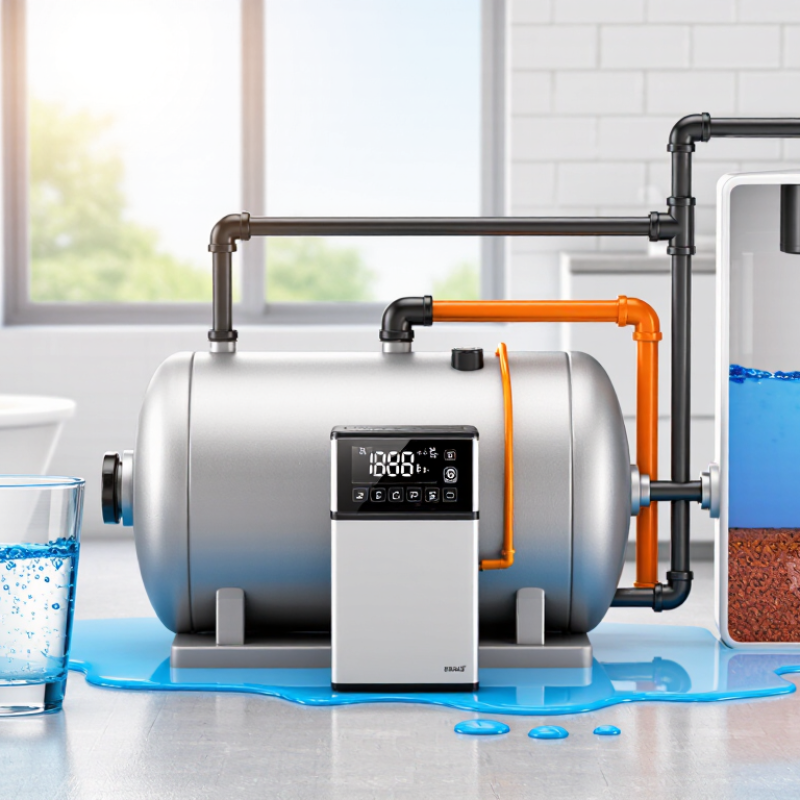
Choosing the best water softener for well water starts with testing, not shopping. A proper test reveals what the water actually contains.
Collect a cold-water sample before any filter or softener. Let the tap run for several minutes first. Use a clean laboratory container. Do not sample from a filtered faucet.
Measure hardness in grains per gallon or milligrams per liter. Hardness affects the softener’s capacity and regeneration settings.
Iron and manganese can stain sinks, darken laundry, and overload ordinary resin. Small numbers matter. Test pH as well.
Low pH may corrode plumbing, while high pH can reduce treatment performance.
TDS, or total dissolved solids, shows the overall mineral load. It does not identify hardness by itself. A high TDS result needs more investigation. A low TDS result does not guarantee safe or pleasant water.
That distinction is easy to miss. Field test strips can provide quick clues, but their color blocks are sometimes difficult to read under kitchen lighting. A certified laboratory offers more dependable results, especially for iron, manganese, and pH.
Use the report to size the softener and select any needed pre-treatment. Iron may require oxidation or specialized filtration before softening. Manganese can be even more persistent.
Test again after heavy rain or well maintenance, because conditions can change.
Review the results with a qualified water-treatment professional, and ask how each setting was calculated.
Choosing equipment from hardness alone is a common mistake.
Choosing a water softener for well water begins with accurate hardness testing. Hardness from 121 to 180 mg/L, measured as calcium carbonate, is classified as hard. Above 180 mg/L is very hard. These levels can leave white scale on faucets, shower glass, and heating elements.
Test the untreated water, not water after filtration. A laboratory test is more dependable than a quick strip. Check iron, manganese, pH, sediment, and sulfur compounds too. These contaminants can reduce resin performance or create odors. A sediment filter may need to protect the softener before water enters its tank.
For hard well water, an ion-exchange softener is usually the practical choice. Select its capacity according to household water use and measured hardness. A small unit may regenerate too often. An oversized unit can waste salt and water. Demand-initiated regeneration is generally more efficient than a fixed schedule.
Keep records.
A common mistake is trusting one test result. Well chemistry can change after heavy rain, drought, or nearby construction. Retest when the water looks different. If hardness exceeds 180 mg/L, inspect scale buildup monthly and confirm the softener removes hardness consistently. The best system is not simply the largest one. It is correctly sized, properly maintained, and matched to the well’s changing conditions.
What Is the Best Water Softener for Well Water?
Well water treatment should begin with measured iron and manganese levels. Do not choose equipment from hardness alone. A laboratory report showing 0.3 mg/L iron and 0.05 mg/L manganese provides useful treatment benchmarks. These levels may cause orange stains, dark deposits, metallic tastes, or clogged fixtures over time.
At 0.3 mg/L iron, some water softeners can reduce dissolved ferrous iron, but performance depends on water chemistry and equipment limits. At 0.05 mg/L manganese, ordinary softening may be less dependable. Manganese can remain unnoticed until black marks appear around sinks or toilets. It may also require oxidation and filtration rather than resin treatment alone. Check pH, hardness, hydrogen sulfide, turbidity, and water flow before selecting a system. Small details matter.
Test the water before and after treatment. A clear sample does not always mean safe performance. In field inspections, iron often changes form after exposure to air, confusing homeowners and technicians. That is an easy mistake. I would also retest after seasonal well changes or heavy rainfall. The best setup may combine a sediment filter, an iron or manganese filter, and a softener for hardness. However, the correct sequence depends on the test results. A local water professional can verify sizing, regeneration demand, drain requirements, and actual reduction performance. Claims without test data deserve caution.
Iron and manganese are important water-quality indicators when selecting treatment for private well water. The chart shows the commonly used secondary drinking-water benchmarks: 0.30 mg/L for iron and 0.05 mg/L for manganese.
Choosing the best water softener for well water starts with capacity, not appearance. Test hardness, iron, manganese, pH, and sediment before selecting equipment. A laboratory report gives more dependable guidance than a quick strip test. Iron can consume softening capacity and create staining. It may also affect resin performance.
Estimate household demand from real use. A common planning figure is 50 to 75 gallons per person daily. Multiply daily use by water hardness, then allow capacity for several days between regenerations. Add a safety margin for guests, laundry, and inaccurate estimates. A four-person home with high hardness may need considerably more capacity than a standard household unit. Bigger is not always better. Oversizing can cause inefficient regeneration and stagnant water.
Flow rate must match peak demand and the well’s recovery ability. Count showers, toilets, washing machines, and kitchen taps operating together. The softener should maintain acceptable pressure during that short, busy period. Check the well pump’s flow, pressure tank size, and recharge rate. A high-capacity unit cannot fix a weak well. In homes I have assessed, flow problems were sometimes blamed on the softener, while clogged prefilters were the real cause. That mistake is easy to repeat. Leave room for maintenance, especially around sediment filters and bypass valves. Recheck water quality after installation, because well conditions can change seasonally.
Well water deserves testing before equipment selection. A glass may look clear, yet iron, manganese, hardness, and sediment can damage valves and leave orange stains. The U.S. Geological Survey classifies water above 120 milligrams per liter as calcium carbonate as hard, and above 180 as very hard. Test hardness at the tap, not only from an old laboratory report. Seasonal well conditions can change.
Look for verified NSF/ANSI 44 certification. This standard evaluates residential cation-exchange softeners for material safety, structural performance, and capacity claims. Check the exact model in the certifier’s online directory. Certification alone does not guarantee low salt use. Read the tested capacity at each salt setting. A display claiming “high capacity” can hide an inefficient regeneration schedule.
Salt efficiency deserves close attention. Water Quality Association guidance commonly uses about 4,000 grains removed per pound of salt as a useful comparison point. Higher efficiency is preferable, but only when the setting matches actual household demand. An oversized unit may regenerate too rarely, allowing stale water and inconsistent performance. An undersized unit may regenerate every few days. Measure hardness, household water use, and iron levels together. The U.S. Environmental Protection Agency also notes that softeners discharge brine and wastewater, so regeneration volume matters. I would question any calculation that ignores well iron or assumes identical daily use. Keep a simple log: regeneration date, salt added, and hardness at the kitchen tap.