How to Choose a Hard Water Softener in 2026?
Choosing a hard water softener in 2026 requires more than comparing prices and advertised capacity. Hard water can leave white scale on faucets, stiff laundry, cloudy glassware, and reduced efficiency inside water heaters. The right system should match your home’s water hardness, daily consumption, plumbing design, and maintenance habits. It should also fit local water quality conditions.
Start with reliable evidence. A laboratory water test or certified local report can reveal hardness, iron, manganese, pH, and possible contaminants. Test results matter. A family of four may need very different performance from a small apartment. Look for systems tested by recognized organizations, such as NSF or IAPMO, where applicable. Check salt efficiency, regeneration controls, warranty terms, and replacement-part availability. A low purchase price may become expensive if service is difficult.
Details matter.
A practical review should explain how each model performs in real homes, not only in controlled specifications. Observe your water heater, shower glass, and kitchen fixtures for several weeks. These clues can support, but not replace, professional testing. I have seen buyers focus on grain capacity while overlooking installation space and drain requirements. That is an easy mistake. No softener is perfect, and some households may need filtration alongside softening. This guide compares key choices, explains trade-offs, and encourages careful verification before purchase. A qualified plumber or certified water-treatment professional can confirm sizing and installation requirements.
What Hard Water Is and Why Water Softening Matters
Hard water contains dissolved calcium and magnesium, usually picked up as groundwater moves through limestone or chalk. The USGS classifies water as hard at 121–180 milligrams per liter of calcium carbonate, and very hard above 180. These minerals are not normally a health danger. The World Health Organization found no health-based guideline value for hardness, calcium, or magnesium in drinking water. Still, mineral scale can appear inside kettles, showerheads, pipes, and water heaters. White flakes on a faucet are a visible warning. Energy use may also rise when scale coats heating surfaces, although the exact cost depends on equipment and household habits.
Tips:
Test before buying. Ask for a certified laboratory result, not only a strip reading. Check hardness, iron, manganese, pH, and daily water use. A softener selected from hardness alone may work poorly when iron is high. This is an easy mistake.
For choosing a softener in 2026, match capacity to measured hardness and household demand. Look for metered regeneration, salt-efficiency data, and clear maintenance instructions. The US Environmental Protection Agency does not regulate hardness as a primary drinking-water contaminant, so local water reports may not provide every detail. Private wells need separate testing. The right setting should reduce scale without making water unnecessarily soft. Over-softening is wasteful, and regeneration can increase chloride discharge. Manufacturer claims deserve verification against independent certification and performance records.
One uncomfortable point remains: household water chemistry changes, so a test from last year may already be misleading.
How to Measure Water Hardness and Identify Household Needs
How to Choose a Hard Water Softener in 2026?
Measure hardness before comparing equipment. A water test strip gives a quick household estimate, but laboratory testing is more dependable. Test water from a cold kitchen tap after running it for two minutes. Repeat it.
Record the result in milligrams per liter as calcium carbonate or grains per gallon. In many regions, water above 120 mg/L is considered hard. Above 180 mg/L, scale often becomes more noticeable. These figures are useful, not absolute. Local testing standards may differ. A private well should also be checked for iron, manganese, acidity, and sediment. These conditions can affect softener performance and maintenance.
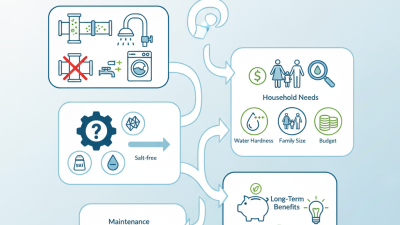
Household demand depends on more than hardness. Count regular residents, bathrooms, daily showers, laundry loads, and peak water use. A family of five may need greater treatment capacity than two adults, even with identical test results. Notice physical clues: white deposits on faucets, stiff towels, cloudy glassware, or reduced heater efficiency. I have seen homeowners choose oversized systems because one test was unusually high. That estimate can mislead. Test on different days if results seem inconsistent. Consider incoming flow rate, installation space, drainage, and salt storage before selecting a unit. People with sodium-restricted diets should ask a qualified water professional about treatment alternatives and drinking-water arrangements.
Which Water Softener Types and Features to Compare
Choosing a hard water softener in 2026 requires more than comparing price tags. Start by testing hardness, iron, and water usage at home. A laboratory report is more reliable than cloudy glassware alone. Your household size and daily consumption determine the required capacity.
Ion-exchange softeners remove calcium and magnesium with resin beads and are usually the strongest choice for serious scale. They need salt, regeneration, and regular brine-tank cleaning. Salt-free conditioners may reduce scale formation, but they do not truly remove hardness. They suit lighter problems and homeowners wanting simpler maintenance. Dual-tank systems provide softened water during regeneration, although their higher cost and larger footprint may be unnecessary for small homes.
Compare certified performance data, not dramatic sales claims. Check grain capacity, flow rate, salt efficiency, water consumption, and regeneration controls. Demand-initiated regeneration is often more efficient than fixed schedules. A clear bypass valve helps during repairs, while a visible low-salt alert prevents unpleasant surprises. Consider installation space, drainage access, and local water pressure. The unit must match your plumbing.
In practical comparisons, I once valued maximum capacity over control quality. That choice was not entirely wise. A smaller, well-programmed system can waste less salt and water. Replacement resin, service access, warranty terms, and independent certification also matter. Ask whether the settings can be adjusted after seasonal water-use changes. Fancy displays are optional. Reliable measurements are not.
How to Calculate System Capacity, Salt Use, and Maintenance
Choosing a hard-water softener in 2026 starts with measurements, not cabinet size. Test hardness in grains per gallon (gpg). Record iron too, because iron can consume capacity. Estimate household water use from a meter, not guesswork. A practical starting point is 60 gallons per person daily. Four people may use about 240 gallons. If hardness is 12 gpg, daily demand reaches 2,880 grains. Add iron: each ppm may require roughly four extra gpg, depending on water chemistry. Confirm this conversion with a qualified water professional.
Calculate working capacity with daily grains × days between regenerations × reserve factor. Use seven days and a 1.2 reserve factor: 2,880 × 7 × 1.2 = 24,192 grains. Select usable capacity above that figure, not merely the advertised maximum. Resin capacity changes with salt dosage. Higher salt settings can increase capacity, but efficiency may fall. Compare grains removed per pound of salt. A lower setting often saves salt, though it may regenerate more frequently. That trade-off is easy to miss.
Track salt use by weighing each refill and logging regeneration dates. A simple notebook can reveal unusual consumption within two months. Inspect the brine tank and salt bridge monthly. Clean the brine screen and injector according to service instructions. Check hardness after installation and during seasonal changes. I would not trust one test forever. Well water can shift after heavy rain. Municipal water can change after treatment adjustments. Review the calculation when occupancy, plumbing, or water quality changes.
How to Evaluate Installation Costs, Efficiency, and Long-Term Value
How to Choose a Hard Water Softener in 2026?
Installation cost should be assessed before comparing equipment prices. A typical quote may include the softener, bypass valves, tubing, drain connection, electrical access, and labor. Basement installations often need extra piping. A unit placed near the main water line usually costs less. Ask for an itemized estimate, not a rounded figure. No estimate is perfect.
Efficiency depends on water hardness, household size, and daily consumption. Test the water first, preferably through an accredited local laboratory. Then match the system’s grain capacity to actual demand. Oversized equipment may waste salt and water during regeneration. Undersized equipment may regenerate too often. Metered regeneration usually responds better than fixed schedules because it measures real usage. Check the stated salt efficiency, regeneration volume, warranty terms, and required maintenance.
Long-term value includes more than lower soap use. Softer water can reduce scale inside heaters, faucets, showerheads, and washing machines. That benefit is difficult to measure precisely. Keep records of salt purchases, service visits, and water use for six months. The cheaper installation may become expensive if resin replacement or frequent repairs follow. A drain location can also affect future maintenance. Small detail. Have a licensed installer verify local plumbing requirements, pressure limits, and discharge rules before work begins.