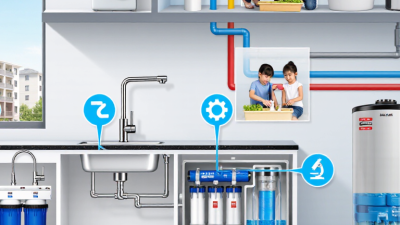
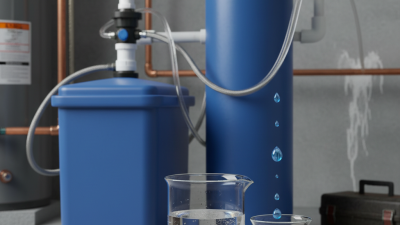
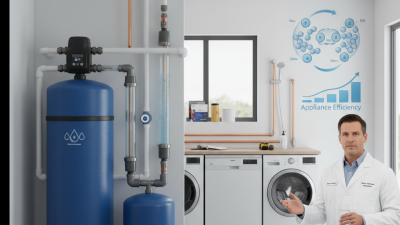
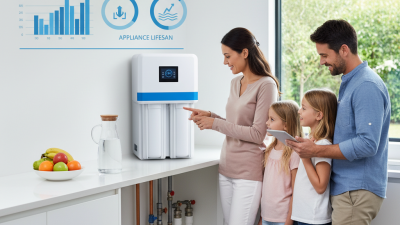
Choosing a home water treatment system is less about buying the largest filter and more about understanding your water. A clear glass can still contain dissolved minerals, chlorine, metals, or microorganisms. Taste may reveal a problem, but it cannot confirm safety. That is why testing matters.
Start with a certified laboratory report or a recent municipal water-quality report. Private well owners should arrange regular testing, especially after flooding, repairs, or changes in taste and odor. Test results guide the choice between sediment filters, activated carbon, reverse osmosis, ultraviolet treatment, and water softeners. Each option addresses a different concern. None is universal.
Check flow rate, maintenance costs, replacement schedules, installation space, and wastewater needs. A system that performs well in a showroom may disappoint when several showers run together. Look for recognized certifications and clear performance claims. Independent standards can provide more confidence than dramatic marketing language. Ask whether the unit removes the specific contaminant found in your report, not merely “impurities” in general.
Small details matter. A neglected cartridge can reduce performance. An oversized system may waste money and water. Some homeowners focus on taste but overlook bacteria risks from an aging private well. That choice is understandable, but incomplete. Good decisions balance health, budget, convenience, and verified evidence. This guide explains how to compare home water treatment systems carefully, avoid common purchasing mistakes, and create a maintenance plan that remains practical after installation.
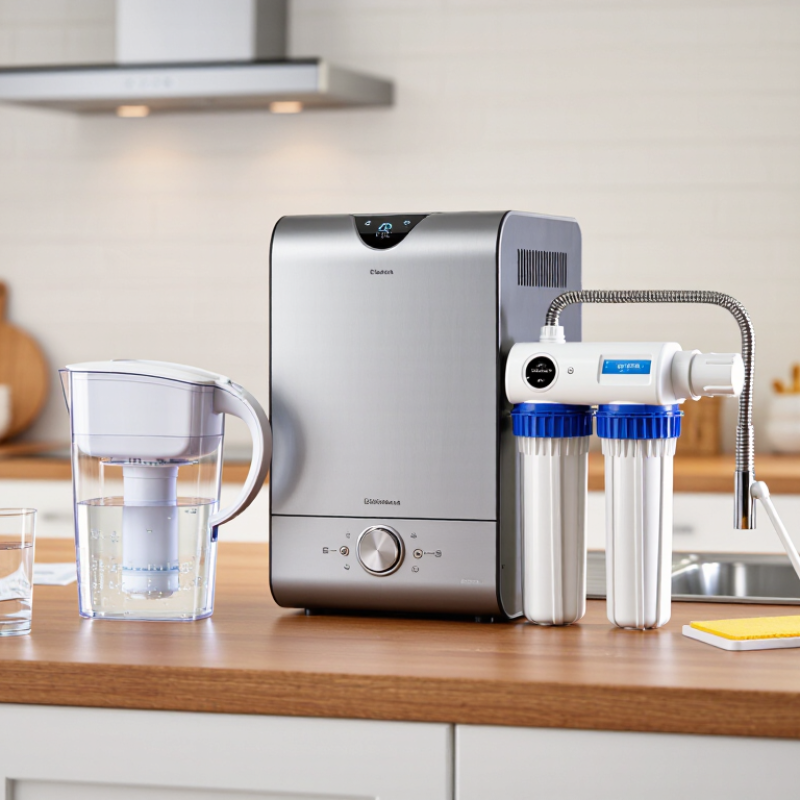
Choosing a home water treatment system begins with evidence, not a glossy promise. Your water may look clear and still contain lead, nitrates, microbes, hardness minerals, or unpleasant odors. Start with a recent laboratory test, especially if you use a private well. Public-water households should also review their local quality report and ask about seasonal changes. A kitchen tap can tell part of the story. It cannot tell everything.
Match the treatment to the measured problem. Activated carbon can improve taste and reduce some organic chemicals, while reverse osmosis may address several dissolved contaminants. Ultraviolet treatment can target microorganisms, but it does not remove minerals or metals. Water softeners mainly reduce hardness; they are not universal filters. Check independently verified performance claims and the required flow rate. A device treating one faucet may not protect showers, laundry, or ice makers. Placement matters too.
Maintenance is part of water quality. Replace cartridges on schedule, sanitize components when instructed, and keep service records. Neglected equipment can become a source of contamination. A common mistake is trusting a “pure” label more than a test result. I would not treat every test as flawless, either. Samples can be compromised by dirty containers or poor handling. Follow laboratory instructions and retest after plumbing changes or unusual odors. Talk with a qualified water professional when results conflict. Your household’s needs may change with infants, older adults, pregnancy, or a new well. Small details matter.
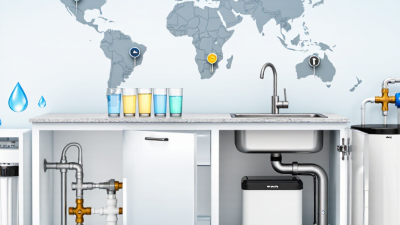
Understanding your home’s water quality and treatment needs
Choosing a home water treatment system starts with the water source, not the product label. A recent household water assessment should identify chlorine, hardness, sediment, lead, nitrates, or microbial risks. The WHO Guidelines for Drinking-water Quality recommend risk-based testing and ongoing monitoring. The WHO and UNICEF Joint Monitoring Programme reported that 2.2 billion people lacked safely managed drinking water in 2022. Water quality can change between the utility and your kitchen tap.
Sediment filters are useful for visible particles and protect later equipment. Activated carbon systems can reduce chlorine, odors, and some organic chemicals. They usually do not soften water or remove every dissolved contaminant. Reverse osmosis removes many dissolved substances, but it needs pressure, maintenance, and wastewater management. Ultraviolet treatment can control microorganisms, yet it cannot remove metals or sediment. Water softeners target hardness, not pathogens. The U.S. EPA Drinking Water Treatability Database shows that no single treatment method addresses every contaminant. That point is easy to overlook. More filtration is not always better.
Tips: Test before buying. Match the system to a named contaminant and check independent certification for that claim. Replace cartridges on schedule, because neglected filters may reduce performance. Keep a simple maintenance log. A system that is technically powerful but poorly maintained can become an expensive decoration. Recheck water after installation, especially in older homes with aging pipes.
How to Choose Home Water Treatment Systems?
A reliable system should match your water problem, daily use, and available space. Start with a recent laboratory water test, not taste alone. Clear water can still contain unwanted minerals or microorganisms. Review the test report with a qualified water professional. They can explain which contaminants require treatment and which do not.
Check performance data carefully. Look for tested contaminant reductions, certified testing methods, and realistic flow rates. A system may remove one substance well but perform poorly against another. Compare its rated capacity with your household’s daily consumption. A small cartridge may serve one person, but struggle in a busy family kitchen. Watch the pressure, too. Weak flow can make a technically effective system frustrating to use.
Maintenance often determines long-term performance. Confirm replacement intervals, cleaning steps, disposal instructions, and service access before installation. Keep a simple log near the unit. Record filter changes and unusual taste or pressure changes. In home inspections, neglected filters are common. I once underestimated how quickly sediment could reduce flow in a seemingly clean supply. That mistake changed my advice. Water conditions can shift seasonally, so test again when results seem unusual. Some systems also need electricity, drainage, or professional servicing. Check those requirements against your home before purchase. The cheapest option may become expensive when overlooked maintenance accumulates.
| System Type | Primary Contaminants or Problems Addressed | Typical Treatment Performance | Typical Flow or Capacity | Water and Energy Requirements | Typical Maintenance | Important Selection Checks |
|---|---|---|---|---|---|---|
| Sediment Filtration | Sand, silt, rust particles, and other suspended solids | Common cartridge ratings range from approximately 1 to 50 microns. A smaller micron rating generally captures smaller particles but may restrict flow sooner. | Approximately 2–15 gallons per minute, depending on cartridge size, micron rating, and water pressure | No electricity or intentional water waste; pressure drop increases as the filter loads with sediment | Inspect pressure or flow regularly; replace disposable cartridges when clogged or typically every 3–12 months | Check clean-pressure loss, replacement availability, housing size, and whether the filter is rated for the desired particle size |
| Activated Carbon Filtration | Chlorine taste and odor, many organic compounds, and some chemicals; performance varies by contaminant | Can substantially reduce chlorine and improve taste and odor when contact time and cartridge capacity are adequate; it does not reliably remove dissolved minerals, hardness, or all microbes | Point-of-use units commonly deliver about 0.5–2 gallons per minute; whole-house units commonly deliver about 5–15 gallons per minute | Usually no electricity or reject water; flow must be controlled to provide sufficient contact time | Replace cartridges or carbon media according to rated capacity, water quality, and use; typical intervals range from 3 months to several years | Verify contaminant-specific certification or test data; calculate capacity from daily use and avoid operating beyond the rated service life |
| Reverse Osmosis (RO) | Dissolved salts, many metals, nitrate, fluoride, and other dissolved contaminants, depending on membrane and testing | Often removes approximately 90–99% of many dissolved contaminants under specified conditions; actual reduction depends on feed water, pressure, temperature, and membrane condition | Point-of-use systems commonly produce about 20–100 gallons per day; production is slower in cold water or at low pressure | Produces treated water plus reject water; conventional systems may discharge roughly 2–4 gallons for every gallon treated, while high-efficiency designs may use less | Replace sediment and carbon prefilters about every 6–12 months; replace the membrane commonly every 2–5 years; sanitize the storage tank and tubing as recommended | Check tested contaminant claims, feed pressure, storage-tank size, recovery ratio, remineralization needs, and wastewater routing |
| Ultraviolet (UV) Disinfection | Bacteria, viruses, and other microorganisms in clear water | Can inactivate microorganisms when the lamp delivers the required UV dose; it does not remove chemicals, sediment, hardness, or dissolved solids | Residential units commonly handle about 5–20 gallons per minute, depending on the validated UV dose and water clarity | Requires continuous electricity; normally no reject water; prefiltration is needed when turbidity or suspended solids can shield microorganisms | Clean the quartz sleeve periodically; replace the UV lamp about once a year, even if it still produces visible light; replace prefilters as needed | Confirm the system is validated for the target organisms and flow rate; install a lamp-failure alarm and maintain adequate water clarity |
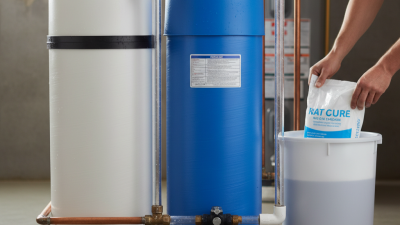
| Water Softener | Calcium and magnesium hardness that causes scale and reduces soap performance | Ion exchange can reduce hardness to very low levels when properly sized and regenerated; it does not disinfect water or remove most organic chemicals | Residential units are commonly rated at about 24,000–64,000 grains of hardness-removal capacity | Uses salt or potassium chloride and water during regeneration; water use commonly ranges from about 20–60 gallons per regeneration cycle, depending on design and settings | Maintain salt level, clean the brine tank when necessary, check settings, and inspect the resin and control valve periodically | Size according to household hardness, daily consumption, and peak flow; consider sodium added to water and local discharge requirements |
| Iron and Manganese Filter | Iron staining, metallic taste, manganese staining, and related well-water problems | Removal performance varies widely by media, pH, oxidation method, and concentration; many systems are designed for low-to-moderate levels rather than every well condition | Common residential flow rates are approximately 5–15 gallons per minute; media capacity depends on contaminant loading and regeneration method | May require air injection, an oxidant, electricity, and periodic backwashing; backwash water must be properly discharged | Inspect valves and media, maintain pumps or injectors, and perform backwash or media replacement according to water results and manufacturer specifications | Test iron, manganese, pH, sulfur, hardness, and dissolved oxygen before selecting the media or oxidation method |
| Distillation | Many dissolved solids, salts, metals, and microorganisms; volatile compounds may require additional treatment | Can produce very low-mineral water when properly operated, but removal of volatile organic compounds depends on system design and pretreatment | Countertop units commonly produce about 0.25–1 gallon per cycle; production is much slower than most point-of-use filters | Uses significant electricity to boil water; produces concentrated residue that must be discarded, but typically does not use a continuous water supply | Empty and clean the boiling chamber, remove scale, replace post-filters if fitted, and inspect seals and collection containers | Consider energy consumption, production speed, storage needs, cleaning effort, and whether the target contaminant is volatile |
Choosing a home water treatment system starts with the water problem, not the equipment. Request your utility’s annual Consumer Confidence Report, or test a private well through an accredited laboratory. The CDC advises private-well owners to test water at least once a year. Results can reveal lead, nitrates, bacteria, hardness, or unpleasant odors.
Installation affects both cost and reliability. Point-of-use filters usually fit beneath a sink and need less plumbing work. Point-of-entry systems treat water entering the house, but installation may require professional pipe modifications, drainage, and electrical access. The U.S. EPA’s 2023 Drinking Water Infrastructure Needs Survey estimates $625 billion in national needs over 20 years. That figure is not a household price, but it shows why water infrastructure and maintenance deserve serious attention. Get written quotes for equipment, labor, replacement cartridges, testing, and disposal. A low purchase price can become expensive after repeated filter changes. I have found this is where many estimates feel incomplete.
Tips: Compare annual operating cost, not just installation cost. Check certification against the contaminant you actually found. Ask who will service the system. Leave space for filter replacement. Set a reminder for testing.
Long-term value depends on measurable performance. Keep installation records and water-test results. Replace media according to usage, not guesswork. Some systems waste water during treatment, so ask for the recovery ratio. The WQA emphasizes matching treatment technology to verified water conditions. That advice sounds obvious, yet homeowners often choose broad claims instead of laboratory evidence. A professional inspection may cost more initially, but it can prevent poor flow, leaks, and ineffective treatment.
Choosing a home water treatment system starts with the water you actually use. Test cold tap water through an accredited laboratory, not only a quick strip. Identify contaminants, seasonal changes, and daily volume. Drinking water needs differ from showering, laundry, and whole-house protection. A certified system should match the measured problem. More equipment is not automatically better. It can add maintenance and waste.
Look for certification from an independent body against a clearly stated performance standard. Confirm the exact model, contaminant claim, flow rate, and replacement schedule. A certificate alone is not enough. Read the public listing and laboratory performance data. Ask who installs the unit and whether local plumbing rules apply. The installer should explain pressure loss, drainage, electrical needs, and safe sanitation. Keep invoices, test reports, and maintenance records. They help verify reliability later.
Observe your household for one week before deciding. Note cooking, bathing, infant care, and periods of heavy use. A point-of-use filter may suit drinking, while a whole-house system may address scale or odor throughout the home. Certified performance can still decline when cartridges are neglected. That part is easy to underestimate. Set calendar reminders and budget for replacements. Re-test water after installation when the risk justifies it. If results conflict, pause and seek an independent water professional. Clear evidence matters more than confident sales language.