What Is the Top Water Softener System for House Use?
Choosing the best water softener system for house use is not simply a matter of picking the largest tank or the cheapest price. A home with orange-stained fixtures, stiff laundry, and scale around the kettle needs a different solution from a small apartment with moderate hardness. The right decision begins with a certified water test, not a persuasive product label. Hardness, iron, manganese, water pressure, household size, and daily flow all affect performance.
Dr. Joseph Cotruvo, a respected drinking-water quality expert, has said, “Water treatment decisions should be based on the quality of the source water and the intended use.” That principle matters here. A properly sized ion-exchange softener can reduce calcium and magnesium before they damage heaters, showerheads, and plumbing. Look for clear regeneration controls, reliable metering, and applicable NSF/ANSI certification. Also check salt use, wastewater discharge, maintenance access, and warranty support. A compact unit may fit neatly beside a furnace, yet still fail during a busy morning.
This guide will compare practical systems for different household conditions. It will examine salt-based softeners, salt-free conditioners, dual-tank designs, and budget models. These products are not interchangeable. Salt-free systems usually reduce scale rather than remove hardness minerals. That difference is easy to miss.
There is no perfect system. I may favor efficiency over the lowest purchase price, but every home has different priorities. A family of six, a rental property, and a single-person household should not receive identical recommendations. The strongest choice balances measured water quality, operating cost, installation limits, and long-term reliability. It should also make daily life quieter, cleaner, and less frustrating.
What a Home Water Softener System Does
What Is the Top Water Softener System for House Use?
What a Home Water Softener System Does
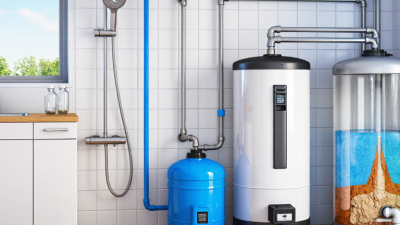
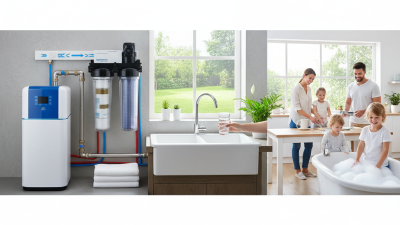
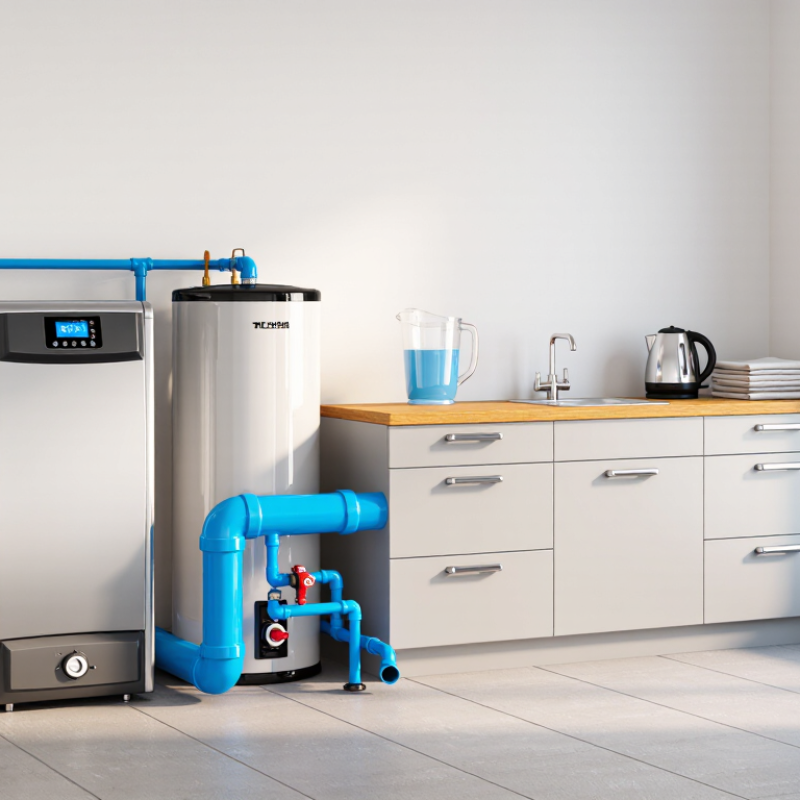
A home water softener reduces calcium and magnesium in hard water. These minerals create scale inside pipes, heaters, showerheads, and washing machines. The system usually uses ion exchange resin. It attracts hardness minerals and replaces them with sodium or potassium ions.
You may notice softer water quickly. Soap lathers more easily, glassware shows fewer spots, and towels can feel less stiff. However, results depend on water hardness, household size, and daily water use. A small unit may struggle in a busy home. An oversized unit may waste salt and water during regeneration.
A reliable choice should match a laboratory water test or local water report. Check its grain capacity, flow rate, regeneration settings, and salt efficiency. A bypass valve also helps during maintenance. Certified installation can prevent leaks and incorrect drain connections. Still, certification does not guarantee perfect performance in every house.
I would not choose a system by price alone. A cheaper model may require frequent refilling or complicated adjustments. That becomes frustrating after several months. Test the water again after installation. The first setting may be wrong. Regular cleaning, salt checks, and occasional professional inspection support safer, steadier operation.
Key Factors for Choosing a House Water Softener
What Is the Top Water Softener System for House Use?
Key Factors for Choosing a House Water Softener
Choosing a house water softener begins with a water test. Check hardness, iron, manganese, pH, and chlorine levels. Hard water may leave white scale on faucets and stiff laundry. A laboratory report is more dependable than guessing from spots alone. In practice, household size matters less than daily water use and hardness levels. A four-person home may need a different capacity than another four-person home.
Look for a system with suitable grain capacity and steady flow. An undersized unit can regenerate too often. That wastes salt and water. An oversized unit may cost more than necessary. Demand-initiated regeneration is usually practical because it responds to actual consumption. Check the control settings carefully. Complicated controls can create mistakes during busy weeks.
Installation conditions also deserve attention. Confirm drain access, electrical requirements, pipe size, and available floor space. The softener should not block a walkway or sit where freezing is possible. Choose certified materials and ask whether local plumbing rules apply. Maintenance includes adding salt, cleaning the brine tank, and checking for leaks. I have seen homeowners focus on purchase price while ignoring yearly operating costs. That is an easy oversight. No system is perfect. A careful buyer should compare water efficiency, service access, warranty terms, and replacement parts before deciding.
Main Types of Residential Water Softener Systems
Choosing the top residential water softener starts with identifying the system type, not comparing tank colors. Ion-exchange softeners remain the standard choice for genuinely hard water. They replace calcium and magnesium with sodium or potassium ions. The U.S. Geological Survey classifies water above 180 milligrams per liter as calcium carbonate as very hard. A certified hardness test should guide sizing.
Salt-free conditioners use template-assisted crystallization or similar media. They may reduce scale on shower glass and heating elements. However, they do not remove hardness minerals. They are better described as scale-control systems. Reverse-osmosis units work differently again. They improve drinking water at one tap, but their limited flow makes them unsuitable for whole-house softening. The World Health Organization’s Guidelines for Drinking-water Quality reports no health-based guideline value for hardness. That does not make mineral buildup harmless to plumbing.
A practical installation needs more than a large resin tank. Check peak flow, family size, iron content, drain access, and regeneration frequency. For example, a four-person home with white crust around faucets may need ion exchange, while a small apartment may need point-of-use filtration. Water quality changes seasonally in some wells. Test twice if possible. Salt use also deserves attention. The U.S. Environmental Protection Agency identifies water softener discharge as a concern for some wastewater systems, so local requirements should be checked. Bigger is not always better. Poor sizing can waste water, salt, and money.
What Is the Top Water Softener System for House Use?
Main Types of Residential Water Softener Systems
Scores use a 1–5 comparative scale based on typical residential operation: 5 indicates stronger performance or suitability, while 1 indicates limited performance. Salt-based ion-exchange systems are generally the most suitable choice when a household needs genuine whole-house hardness removal. Salt-free conditioners can reduce scale formation but do not remove hardness minerals. Reverse osmosis removes dissolved minerals efficiently but is usually installed at selected drinking-water points rather than for whole-house treatment. Magnetic or electronic devices have limited evidence for true hardness removal.
How to Compare Capacity, Efficiency, and Maintenance
The top water softener for house use depends on water hardness, household size, and daily demand. Capacity is usually measured in grains, so compare that rating with a recent water test. A four-person home may need less capacity than a smaller home with very hard water. An undersized unit regenerates too often and wastes salt. An oversized unit can cost more and sit unused. Sizing is not perfectly predictable.
Efficiency matters beyond the advertised grain number. Look for metered regeneration, which responds to actual water use instead of following a fixed schedule. Compare salt required per regeneration and the water discharged during cleaning. A system using less salt may reduce operating costs, but only when its settings match the test results. Incorrect programming quietly reduces efficiency. That mistake is easy to make.
Tips: Check the brine tank every few weeks for salt bridges, especially in humid rooms. Keep a clear path to the bypass valve. Clean the tank according to the manual, and replace prefilters when flow drops. Record regeneration dates and salt use for one month. This simple note often reveals waste faster than a sales estimate. Recheck hardness after installation; household plumbing and well conditions can change the result.
What Is the Top Water Softener System for House Use? - How to Compare Capacity, Efficiency, and Maintenance
| System Configuration |
Recommended Household |
Typical Rated Capacity |
Typical Salt Use per Regeneration |
Typical Water Use per Regeneration |
Regeneration Control |
Maintenance Profile |
Overall Suitability |
| Compact single-tank, metered softener |
1–3 people; low to moderate hardness |
24,000–32,000 grains |
4–8 lb |
15–35 gal |
Meter-initiated |
Add salt; inspect brine tank periodically |
Good for smaller homes |
| Standard single-tank, metered softener |
3–5 people; moderate to hard water |
32,000–48,000 grains |
6–12 lb |
20–50 gal |
Meter-initiated |
Salt refill; clean the brine tank when needed; annual inspection |
Best balance for many homes |
| High-capacity single-tank, metered softener |
5–7 people; hard to very hard water |
48,000–64,000 grains |
8–16 lb |
30–70 gal |
Meter-initiated |
More frequent salt monitoring; annual valve and resin checks |
Suitable for high demand |
| Dual-tank, metered softener |
Large households or continuous water demand |
48,000–80,000 grains total |
6–14 lb per cycle |
20–60 gal per cycle |
Demand-initiated; alternating tanks |
Salt refill and periodic inspection; more components to service |
Best for uninterrupted soft water |
| Time-clock controlled softener |
Homes with predictable water use |
24,000–64,000 grains |
6–16 lb |
20–70 gal |
Scheduled by days |
Simple controls, but may regenerate too early or too late |
Lower efficiency than metered control |
| Salt-free scale-control conditioner |
Homes seeking low-maintenance scale reduction |
Not rated in softening grains |
None |
None for regeneration |
No regeneration cycle |
Replace treatment media according to service life; no brine tank |
Does not remove hardness minerals |
Comparison Notes:
- Rated capacity is commonly expressed in grains of hardness removal. Actual usable capacity depends on water hardness, iron content, flow rate, and the programmed salt dose.
- A metered-demand control generally uses less salt and water than a fixed time-clock schedule because regeneration is based on measured household consumption.
- Typical regeneration figures vary by tank size and settings; always compare certified efficiency data and operating instructions before purchase.
- A salt-free conditioner can reduce scale formation in suitable water conditions, but it does not produce softened water or remove calcium and magnesium.
- For most homes, a correctly sized metered single-tank system offers the strongest combination of capacity, efficiency, and maintenance simplicity.
Steps for Selecting the Best System for Your Household
Choosing the best water softener for house use starts with your household’s actual water conditions.
Do not rely only on a neighbor’s recommendation. Hardness can differ between nearby streets.
Ask your local water utility for a recent hardness report.
Then test water from a kitchen tap, preferably through an accredited laboratory. Record iron levels, pH, and any unusual taste or odor.
A practical inspection can reveal problems that a sales brochure misses.
I once underestimated iron content, and the chosen capacity became insufficient sooner than expected. That mistake was avoidable.
Match the system’s capacity to your household size and daily water use.
Check the service flow rate, especially if several showers or appliances run together.
A small unit may save money initially but cause pressure loss.
Demand-initiated regeneration is usually more efficient because it responds to measured consumption.
Confirm the salt tank size and the expected regeneration schedule.
Check independent performance data and relevant safety certification.
Look closely.
Installation space also matters.
Leave room for servicing, salt delivery, drainage, and electrical access.
Compare purchase price with water, salt, maintenance, and replacement costs.
Salt-based systems reduce hardness, while salt-free conditioners generally address scale rather than remove hardness.
That distinction is often overlooked.
Ask a qualified installer about local plumbing rules and wastewater discharge.
Read the maintenance instructions before buying.
Who will refill the tank? Who will inspect it each year?
These practical questions can change the right choice for your home.