Top 10 Benefits of Water Softeners and Filtration Systems for Your Home
In today's world, the quality of water we consume and use in our homes is paramount to our health and well-being. As living standards continue to evolve, so does our understanding of water management. According to Dr. Emily Carter, a leading expert in water treatment and filtration technologies, "Investing in a water softener and filtration system not only enhances the quality of water but significantly improves the overall quality of life at home." This insight underscores the crucial role these systems play in ensuring that families have access to clean, safe, and soft water.
Water softeners and filtration systems offer numerous advantages that can transform everyday household tasks. From reducing hard water deposits on fixtures and appliances to minimizing skin irritation and improving the taste of drinking water, these systems serve not just as luxuries but essential components for a healthier home environment. Understanding the top benefits of water softeners and filtration systems empowers homeowners to make informed decisions that can lead to long-term savings and wellness improvements.
As we delve into the top ten benefits of integrating a water softener and filtration system into your residence, we will explore how these technologies not only cater to immediate needs but also contribute to sustainable living by protecting vital water resources and enhancing appliance longevity. With the right information, families can confidently embrace these solutions for a happier, healthier home.
Understanding Water Softeners and Filtration Systems
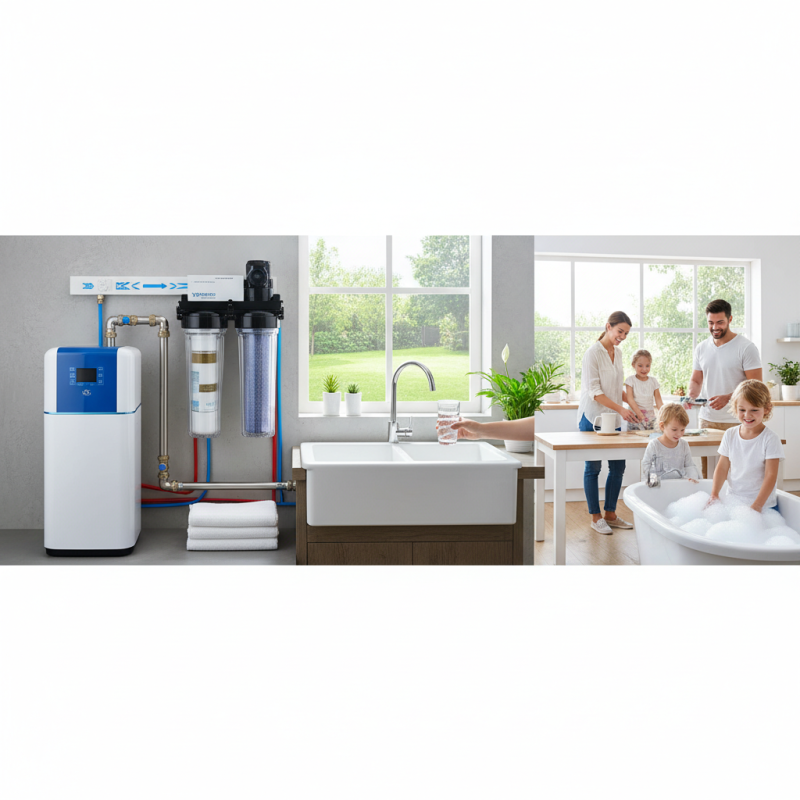
Water softeners and filtration systems are essential components in maintaining a healthy and efficient home. Understanding their function can help homeowners appreciate their many benefits. Water softeners primarily address hard water issues by removing minerals like calcium and magnesium, which can create scale buildup in plumbing and appliances. A report from the U.S. Geological Survey indicates that approximately 85% of the United States has hard water. The impact of hard water can be significant, leading to decreased efficiency in water heaters and increased energy costs, which can be mitigated with a reliable water softening system.
Filtration systems, on the other hand, are designed to remove contaminants from water. They can reduce pollutants such as chlorine, sediment, and bacteria, which can affect both the safety and taste of drinking water. According to the Environmental Protection Agency, contaminants can vary widely depending on the water source, making filtration systems a crucial investment for ensuring clean and safe water for households. Regular maintenance and timely filter replacement are vital to ensure optimal performance.
Tip: To enhance the efficiency of your water softener, consider conducting regular water tests. This will help you monitor mineral levels and adjust settings as needed.
Tip: When selecting a filtration system, look for models certified by the National Sanitation Foundation (NSF) to ensure that they meet safety and performance standards.
The Science Behind Hard Water and Its Effects on Home Appliances
Hard water, characterized by high mineral content, primarily calcium and magnesium, poses significant challenges for homeowners. These minerals can accumulate in plumbing, appliances, and fixtures over time, leading to reduced efficiency and lifespan. For example, when hard water passes through pipes, it can cause scale buildup that restricts water flow and increases energy consumption in appliances like water heaters and dishwashers. This obstruction not only diminishes their performance but can also result in costly repairs if not addressed promptly.
The impact of hard water extends beyond mere inconvenience; it can affect the overall quality of household tasks. Laundry can become less effective, as minerals may leave residues on clothes, making them feel stiff and look dull. Similarly, hard water can hinder soap's ability to lather properly, leading to higher consumption of detergents and cleaning products. Over time, the cumulative effects of hard water can necessitate premature replacement of appliances, putting additional strain on household budgets. By understanding the science behind hard water’s effects on home systems, homeowners can appreciate the value of implementing water softeners and filtration systems to mitigate these challenges.
How Water Softeners Improve Water Quality and Taste
When it comes to home water quality, the impact of water softeners is profound. Hard water, characterized by high mineral content, often leads to limescale buildup in appliances and plumbing, which diminishes their efficiency and longevity. According to the Water Quality Association, about 85% of households in the U.S. have hard water, which can negatively affect not only household systems but also the health aspects of drinking water.
By using water softeners, homeowners can reduce the concentration of calcium and magnesium ions, leading to a significant decrease in limescale and an improvement in the overall performance of water-using appliances.
In addition to enhancing appliance longevity, water softeners also markedly improve water taste. Hard water can carry an unpleasant taste and odor due to the presence of dissolved minerals. A study from the American Water Works Association indicates that softened water is not only more palatable but also allows for better absorption of food flavors in cooking and beverages.
Many users report that their drinking water tastes cleaner and fresher after softening, as the process removes the harsh elements that contribute to undesirable flavors. This can lead to a better overall experience for families, encouraging hydration and better dietary habits.
Key Benefits of Filtration Systems for Health and Safety
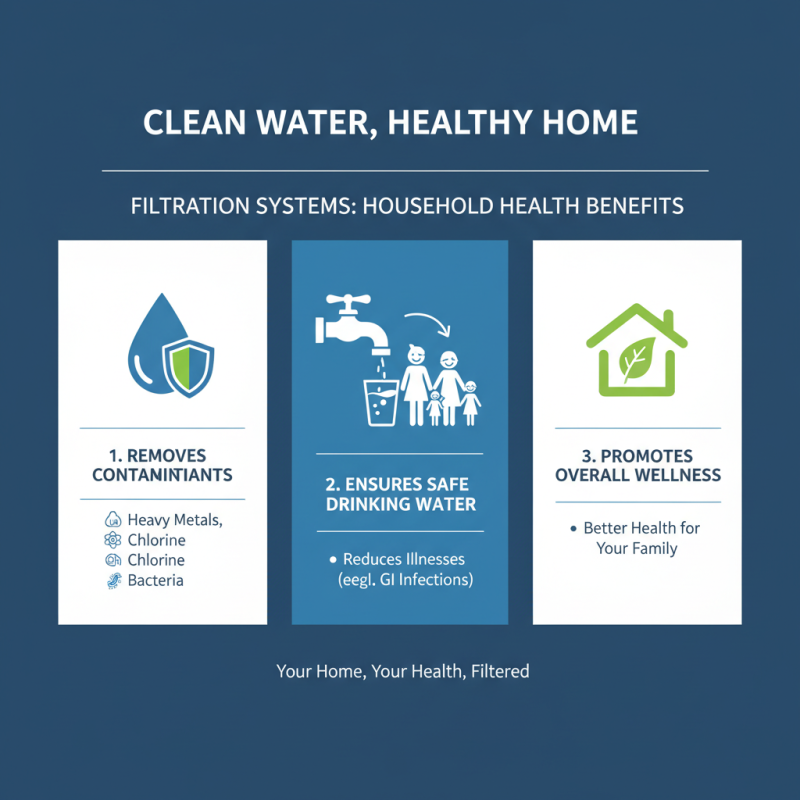
Filtration systems play a crucial role in ensuring the health and safety of your household. One of the most significant benefits is the removal of harmful contaminants from drinking water. These systems are designed to filter out impurities such as heavy metals, chlorine, and bacteria, which can pose risks to health over time. By providing clean, safe drinking water, filtration systems help reduce the likelihood of gastrointestinal infections and other waterborne illnesses, promoting overall wellness within the home.
Additionally, filtration systems contribute to better-tasting water, encouraging everyone in the household to stay hydrated. Clean, fresh-tasting water not only enhances the flavor of beverages and meals but also motivates families to drink more water instead of sugary alternatives, supporting better hydration and health. Furthermore, these systems can help reduce skin irritations and allergic reactions often caused by chlorine and other chemicals in tap water, leading to a more comfortable living environment and healthier skin. By prioritizing water filtration, homeowners can take significant strides toward enhancing their family's health and safety.
Cost Savings and Maintenance Benefits of Water Treatment Solutions
Water treatment solutions, particularly water softeners and filtration systems, provide significant cost savings and maintenance benefits for homeowners. According to the Water Quality Association, hard water can cause up to 20% more energy consumption in heating water, which can lead to an annual increase in costs. By installing a water softener, homeowners can reduce scale buildup in appliances, resulting in improved efficiency and longevity. This can translate to significant savings on energy bills, as well as a decrease in the need for repairs or replacements of costly water heaters and dishwashers.
Maintenance benefits extend beyond just appliances; soft water can also enhance the effectiveness of soaps and detergents, reducing the quantity needed for cleaning tasks. A study published by the National Soft Water Association indicates that using soft water can decrease soap usage by up to 50%, leading to further savings on household products. Moreover, softened water can improve the quality of laundry, ensuring clothes remain brighter and last longer, ultimately reducing the frequency of purchases.
Tip: To maximize the efficiency of your water softener, ensure that you regularly check and maintain the system, as this can further enhance its lifespan and effectiveness.
Tip: Consider monitoring your water usage and energy bills before and after the installation of a softener or filtration system to better understand your savings over time.