Choosing a home water filter system is not simply a matter of buying the most expensive model. Your water source, plumbing, household size, and target contaminants all matter. A clear glass does not prove safe water.
The World Health Organization and UNICEF reported that 2.2 billion people lacked safely managed drinking water in 2022. That figure reflects a global challenge, but household risks can be highly local. In the United States, the Environmental Protection Agency’s 2024 PFAS regulation established limits of 4 nanograms per liter for PFOA and PFOS. These figures make testing more useful than guesswork. Very useful.
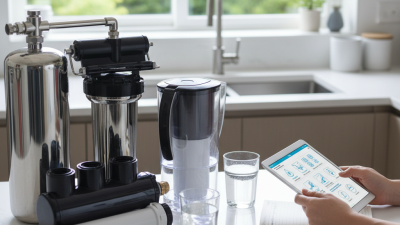
Dr. Joseph Cotruvo, a water-treatment expert and former EPA scientist, has emphasized, “No single treatment technology removes every contaminant.” That principle should guide every purchase. Activated carbon may improve chlorine taste and reduce selected chemicals. Reverse osmosis can address dissolved substances, but it may waste water and remove beneficial minerals. Ultraviolet systems can treat microorganisms, yet they do not remove heavy metals or chemicals.
A reliable decision begins with a recent laboratory water report. Then compare certified performance claims, filter capacity, replacement costs, and maintenance instructions. Look for relevant NSF/ANSI certifications, not vague phrases such as “advanced purification.” Some recommendations online sound confident but lack testing evidence. Mine may, too, if local water data is ignored.
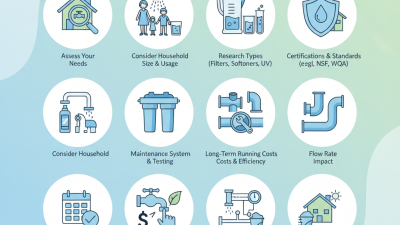
The following ten tips examine practical details. They cover contamination testing, certification, flow rate, installation, cartridge changes, and long-term value. The best home water filter system is not universally identical. It is the system matched carefully to your water.
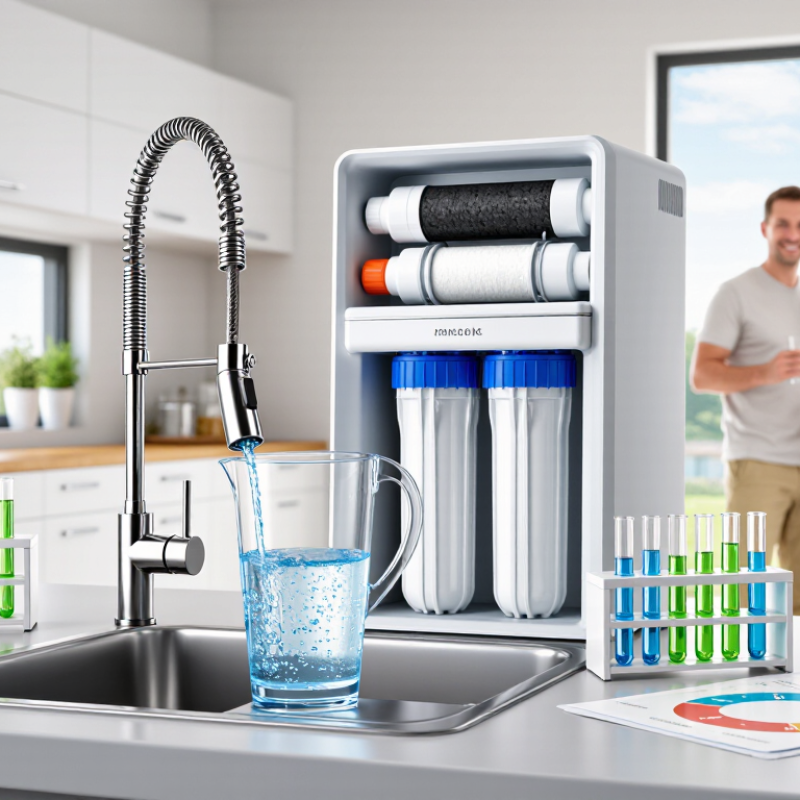
Choosing a home water filter begins with understanding the water entering your house. Do not select a system based only on taste or advertising claims. Obtain your local water quality report, then compare it with a recent laboratory test. Private wells need testing more often, especially after flooding, construction, or changes in smell.
Test results may reveal chlorine, lead, nitrates, bacteria, hardness, or sediment. Each issue requires a different treatment method. For example, sediment can clog a fine filter, while hardness may need a softening process.
A carbon filter can improve taste and odor, but it may not remove every contaminant. I once assumed clear water was safe water. That shortcut was wrong.
Consider your household’s daily water use. A small under-sink unit may suit one drinking tap, while a whole-house system needs stronger flow capacity. Check the filter’s rated lifespan, replacement cost, and maintenance instructions. Measure your water pressure before installation. Low pressure can reduce performance and make showers frustrating. Look for independent performance testing and clear contaminant-reduction data. Vague language deserves caution. Keep test reports and replacement dates in one place. It is easy to forget. Recheck well water periodically, even when it looks and tastes normal. Children, older adults, and people with medical conditions may need advice from a qualified water professional before choosing treatment.
Choosing a home water filter starts with identifying the contaminant, not choosing the most expensive device. A sediment filter catches visible grit, rust, and loose particles. It cannot remove dissolved chemicals or microorganisms. Activated carbon improves chlorine taste and odor, while reducing some volatile organic compounds and pesticides. Its performance depends on contact time and timely cartridge replacement.
Reverse osmosis is more suitable for dissolved salts, lead, arsenic, fluoride, and nitrates. It uses pressure through a thin membrane. However, it can waste water and remove beneficial minerals. The storage tank also needs careful sanitation. Ion-exchange filters target hardness minerals and may reduce specific metals or nitrates. They require capacity checks, because performance drops when the resin becomes exhausted.
Ultraviolet treatment can inactivate many bacteria, viruses, and parasites. It does not remove sediment, chemicals, or unpleasant tastes. Water should be clear before UV exposure. A certified laboratory test is more reliable than guessing from taste or appearance. Review local water reports, then compare the filter’s tested claims with your results. One imperfect choice is buying a broad system without checking flow rate. Slow water, expensive maintenance, and neglected cartridges can undermine good technology. Keep replacement dates visible near the sink.
| Tip | Filter Technology | Primary Contaminants Addressed | Typical Reduction Capability | Important Considerations | Best-Suited Application |
|---|---|---|---|---|---|
| 1 | Test the Water First | Varies by location, including lead, arsenic, nitrate, bacteria, hardness, chlorine, and sediment. | Water testing identifies which contaminants require treatment; no filter removes every contaminant. | Use a certified laboratory or an appropriately regulated local testing service. Review the latest municipal water-quality report where available. | All homes, especially private wells and properties with older plumbing. |
| 2 | Sediment Filtration | Sand, rust, silt, dirt, and suspended particles. | Removes particles according to the filter's micron rating; smaller ratings generally capture finer particles. | Does not reliably remove dissolved chemicals, salts, microorganisms, or most heavy metals. It may require frequent replacement in turbid water. | Pre-filtration for whole-house systems and well-water applications. |
| 3 | Activated Carbon | Chlorine, unpleasant tastes and odors, and many organic chemicals such as some volatile organic compounds. | Performance depends on carbon type, contact time, filter capacity, and the specific contaminant. | It is not a dependable barrier against nitrate, fluoride, hardness, dissolved salts, or most microorganisms. Replace cartridges on schedule. | Improving taste and odor in treated municipal water. |
| 4 | Certified Lead-Reduction Filter | Lead and, depending on the tested claim, certain other contaminants associated with plumbing materials. | Can substantially reduce lead when the product is independently certified for lead reduction and used correctly. | Look for a current third-party certification for the specific contaminant. Flush stagnant water and maintain the filter as instructed. | Homes with older service lines, faucets, solder, or plumbing fixtures. |
| 5 | Ion Exchange Softener | Calcium and magnesium hardness; some systems are designed to reduce specific ions such as iron or manganese. | Softens water by exchanging hardness ions for sodium or potassium; it does not disinfect water. | Requires salt or potassium replenishment, regeneration, wastewater discharge, and periodic maintenance. It does not remove most dissolved contaminants. | Hard-water control for scale prevention and improved soap performance. |
| 6 | Reverse Osmosis | Many dissolved salts, nitrate, fluoride, arsenic, lead, and other dissolved contaminants, depending on system design. | Often provides high reduction of many dissolved contaminants, but results vary with water chemistry, pressure, membrane condition, and pretreatment. | Produces reject water, uses storage space, operates more slowly than a faucet, and commonly requires sediment and carbon pre-filters. | Point-of-use drinking and cooking water when dissolved contaminants are confirmed. |
| 7 | Ultrafiltration | Sediment, colloids, and many bacteria and protozoa when the membrane and system are appropriately rated. | Uses a fine membrane barrier but generally does not remove dissolved salts, nitrate, or many dissolved chemicals. | Confirm the pore size and microbial claims. It may need pressure and pre-filtration, and it is not equivalent to reverse osmosis. | Clarifying relatively low-salinity water where microbial reduction is needed. |
| 8 | Ultraviolet Disinfection | Bacteria, viruses, and some protozoa. | Can inactivate microorganisms when the lamp delivers the required UV dose and the water is sufficiently clear. | Does not remove chemicals, metals, salts, or particles. Requires electricity, lamp replacement, and adequate pre-filtration to prevent shielding by sediment. | Private wells and other supplies with microbiological concerns. |
| 9 | Distillation | Many dissolved minerals, salts, heavy metals, and microorganisms. | Removes many nonvolatile contaminants through boiling and condensation. | It is energy-intensive and comparatively slow. Some volatile compounds may carry over unless additional treatment is included. | Small quantities of highly purified water for drinking or specific household needs. |
| 10 | Verify Certification, Capacity, and Maintenance | The exact contaminants listed in the product's independently verified performance claims. | A certification applies to specific contaminant claims, operating conditions, and rated capacity—not automatically to every contaminant. | Check contaminant-specific certification, flow rate, replacement interval, installation requirements, and total operating cost. Replace filters before their rated capacity is exceeded. | Comparing any point-of-use or whole-house filter system. |
Choosing a home water filter starts with matching flow rate to daily habits. A kitchen faucet may need 1.5 to 2.5 gallons per minute, while a whole-house system often requires more. Check the filter’s tested flow rate, not only the number printed on its package. A weak flow can make showers frustrating and delay washing dishes. I once underestimated this detail and noticed pressure dropping when two taps ran together.
Capacity matters just as much. A cartridge rated for 10,000 gallons may last a year in one home but only six months in another. Household size, water quality, and cooking habits change the result. Review laboratory data and replacement guidance from reliable testing sources. If the water contains heavy sediment, the filter may clog early. That estimate can be wrong.
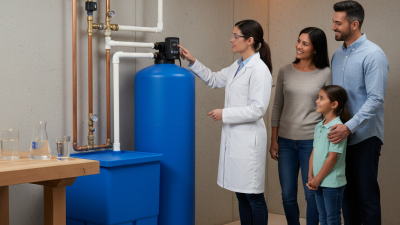
Installation requirements deserve equal attention. Under-sink units need cabinet space, a compatible connection, and access for cartridge changes. Whole-house systems may require a shutoff valve, a drain route, and a sturdy mounting point. Measure pipe size before ordering. Check whether local plumbing rules require a qualified professional. Leave room below the housing for removal; cramped cabinets turn a simple service task into a wet, awkward repair. Use a pressure gauge when possible, because pressure loss often reveals a blocked cartridge before water quality visibly changes.
Evaluate flow rate, capacity, and installation requirements before selecting a system for your household.
| Filter System | Typical Flow Rate | Typical Capacity | Typical Installation Time |
|---|---|---|---|
| Faucet-Mounted Carbon Filter | 1.5–2.5 L/min | 1,500–3,000 L | 10–15 minutes |
| Under-Sink Carbon Filter | 2.5–5.0 L/min | 3,000–7,500 L | 30–60 minutes |
| Countertop Reverse Osmosis | 0.5–1.5 L/min | 1,900–3,800 L per membrane | 30–60 minutes |
| Whole-House Sediment and Carbon System | 10–20 L/min | 10,000–30,000 L | 2–4 hours |
Choose a flow rate that matches peak household demand rather than average use. Check the stated cartridge or membrane capacity against your household’s daily consumption, and confirm that the installation location has enough space, suitable connections, and access for routine filter replacement. These are representative planning ranges; actual performance varies with water pressure, temperature, sediment levels, and filter condition.
Choosing a home water filter starts with the contaminant, not the cabinet space. NSF/ANSI 42 covers aesthetic effects, while NSF/ANSI 53 addresses health-related contaminants. Reverse-osmosis systems generally reference NSF/ANSI 58. Certification is not decoration. Check the exact contaminant and reduction claim in the certifier’s database. The U.S. EPA’s 2024 Lead and Copper Rule Improvements fact sheet estimates about 9.2 million lead service lines remain nationwide. Lead certification deserves careful attention. A filter can improve taste yet leave lead unchanged. That detail is easy to miss.
Maintenance determines whether laboratory performance survives in a real kitchen. CDC guidance recommends following replacement schedules and maintaining devices as directed. Write the installation date on the housing. Inspect for leaks, cracked tubing, and unusual taste. Do not wait for odor alone; many contaminants have no warning smell. The Water Quality Association’s consumer guidance emphasizes testing source water before selecting treatment. For private wells, EPA guidance recommends testing at least annually, though local risks may require more frequent checks.
Calculate total ownership cost, including cartridges, membranes, labor, wastewater, and electricity. A low purchase price can conceal expensive annual replacements. Compare rated capacity with household use, not the showroom number. If four people drink and cook with filtered water, a small cartridge may reach capacity early. Lifespan claims need context. They depend on flow, pressure, sediment, and inlet quality. I would leave a small margin because real homes are rarely laboratory-clean. That assumption is imperfect, but safer than treating a printed maximum as a promise.
A home water filter should match your water problem, budget, and daily routine. Start with a recent water quality report or an independent test. Taste, sediment, chlorine, and dissolved minerals require different treatment methods. A system that improves taste may not address every contaminant. That distinction matters.
Tip: Match capacity to household size. A couple may manage with a smaller under-sink unit, while a family of five needs stronger flow and greater cartridge capacity. Check gallons per minute, filter life, replacement cost, and installation space. A compact system can look affordable, but frequent replacements may raise its yearly cost. Measure first.
Tip: Set a complete budget. Include fittings, professional installation, replacement cartridges, and future maintenance. I once judged a filter by its purchase price and underestimated cartridge costs. That was a poor calculation. Read performance data carefully, and look for independently verified claims rather than vague promises. Certification can support trust, but it does not mean one filter solves every household concern.
Tip: Consider how your household actually uses water. Cooking, drinking, bathing, and laundry may need different levels of treatment. Whole-house systems offer convenience, but they can cost more and require more maintenance. Under-sink systems usually focus treatment where drinking water is used. Leave enough clearance for cartridge changes. A system that is difficult to service may be neglected, even when it performs well.