Ceramic Cooking Ware is more than attractive kitchen equipment. It is a heat-managing material shaped for roasting, baking, simmering, and serving. Its dense body warms gradually, then holds heat around food. A glazed surface can resist stains and reduce sticking, although performance varies between products.
Food science writer Harold McGee offers a useful principle: “Cookware is a tool for managing heat.” That idea explains ceramic ware well. A ceramic casserole can keep lasagna warm on the table. A baking dish can brown vegetables slowly at the edges. The result feels gentle, but it is not automatically better. Some dishes heat unevenly, especially on powerful burners.
Read the manufacturer’s instructions carefully. Not every ceramic dish belongs on a stovetop. Avoid sudden temperature changes. Moving a cold dish directly into a hot oven may cause cracking. A wooden counter, not a cold stone surface, can help protect a hot dish. Small details matter.
The material also deserves honest criticism. “Ceramic” may describe traditional clay, ceramic-coated metal, or fully ceramic cookware. These products do not behave alike. Coatings may wear, and glossy surfaces can hide damage. I have found that attractive cookware encourages confidence too quickly. Check the base, glaze, handles, and temperature rating before cooking.
This article will explain what Ceramic Cooking Ware is, how it is used, and where it performs best. It will also examine cleaning, heat control, durability, and practical limitations. Good cooking depends on the dish and the person using it. There is no perfect vessel.
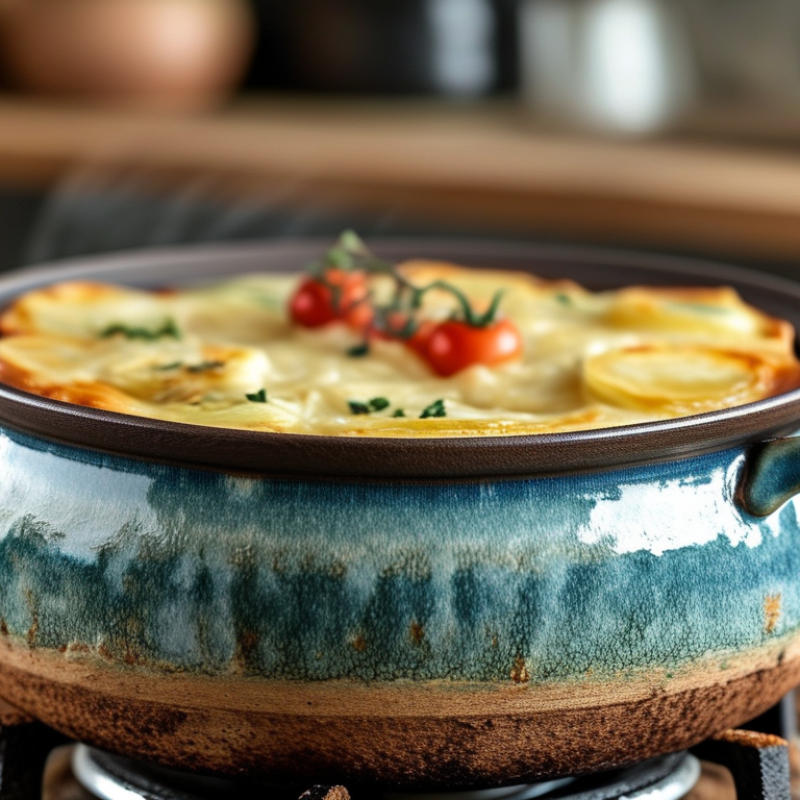
Ceramic cookware is made from clay-based materials hardened in a kiln. It may be fully ceramic or coated with a ceramic cooking surface. The coating usually covers metal underneath, while traditional ceramic vessels have ceramic throughout. This distinction matters because performance can vary greatly. Glazed ceramic has a smooth, sealed surface that resists food absorption. It is also generally nonreactive with acidic ingredients, such as tomatoes or citrus.
A key characteristic is steady heat distribution. Ceramic holds heat well, so soups, casseroles, and baked dishes can remain warm after cooking. The surface is naturally attractive and often requires less oil for release. However, ceramic cookware is not automatically nonstick. Food can still cling when the pan is overheated or poorly prepared. That detail is often overlooked.
Handle it carefully. Sudden temperature changes may cause cracking, especially in thick ceramic pieces. Do not move a hot dish directly onto a cold, wet surface. Check the manufacturer’s instructions before using ceramic cookware on a stovetop, induction unit, or under a broiler. Some pieces are oven-safe but not flame-safe. A soft sponge protects the finish better than abrasive tools. Even then, stains may develop over time. That is normal, not always a sign of poor quality.
Ceramic cooking ware is made from clay and mineral materials, then fired at high temperatures. Traditional vessels use stoneware, earthenware, or porcelain. Ceramic-coated cookware usually has an aluminum or steel body beneath a ceramic-based nonstick layer. These products are not identical, despite similar labels.
Common ceramic vessels include baking dishes, casseroles, ramekins, tagines, and donabe-style pots. Stoneware holds heat steadily, making it useful for lasagna, roasted vegetables, and slow-baked grains. Porcelain is denser and often handles detailed baking work well. Ceramic-coated pans heat quickly, but their surface may lose performance when exposed to high heat, metal utensils, or abrasive cleaning. Check the maker’s temperature instructions.
According to Fortune Business Insights, the global cookware market reached about 19.83 billion dollars in 2023. The report identifies material innovation and healthier cooking preferences as important growth factors. A 2024 Grand View Research analysis also reports continuing expansion in ceramic tableware demand, supported by home cooking and food presentation trends. Market figures include several ceramic categories, not only cooking vessels. That distinction matters.
In my experience, ceramic dishes feel forgiving during slow cooking, but sudden temperature changes can still cause cracking. Never move a cold dish directly into a very hot oven. Let it warm gradually.
Ceramic cookware is used daily for tasks such as frying eggs, simmering soup, roasting vegetables, and baking small casseroles. It may be made from solid ceramic or coated with a ceramic-based nonstick layer. These materials behave differently, so checking the care instructions matters.
For routine cooking, I use low or medium heat and allow the pan to warm gradually. Ceramic surfaces usually release food well when they are clean and lightly oiled. A wooden or silicone utensil helps prevent scratches. Eggs slide more easily after the pan is gently preheated, while vegetables develop better color when the pan is not overcrowded. Ceramic dishes also hold heat steadily, which helps keep stews warm at the table. However, high heat is rarely necessary.
Small details matter.
I avoid moving a hot ceramic dish onto a cold, wet surface. Sudden temperature changes can cause cracking, especially with solid ceramic ware. I also wash the cookware with a soft sponge instead of using abrasive powders. Some ceramic-coated pans may lose their easy-release performance over time, even when they look clean. I have sometimes used too much heat while rushing dinner, and the surface became harder to clean afterward. That mistake is useful evidence: ceramic cookware rewards patience more than force. Before oven use, I verify the handle, lid, and temperature limits in the manufacturer’s instructions.
Ceramic cookware needs gentle handling from the moment cooking ends. Let the dish cool naturally before washing it. Sudden contact with cold water can cause thermal shock, especially in solid ceramic pieces. I usually soak stubborn food in warm water for 15 minutes, then use a soft sponge and mild dish soap. Avoid steel wool and abrasive powders. They can leave fine scratches that collect residue over time.
For baked-on spots, apply a paste of baking soda and water, then wipe lightly. Rinse well and dry the surface completely. Moisture trapped under stacked cookware may create unpleasant odors or weaken unglazed areas. Check the care instructions before using a ceramic dish on a stovetop, under a broiler, or in a microwave. Not every ceramic vessel tolerates direct heat. This distinction matters because ceramic-coated metal cookware has different care needs from solid ceramic ware.
Inspect cookware regularly. Small chips, hairline cracks, or a damaged coating deserve attention. Discontinue use if the cooking surface becomes unstable or flakes. I once stacked a warm dish beneath a cold one, and the uneven temperature caused a visible crack. That mistake was avoidable. Store ceramic pieces in a dry cabinet with space between them. Place a soft cloth or thin liner between stacked items. Keep lids slightly separated when possible. Never drag heavy ceramic cookware across shelves; lift it with both hands. Care becomes easier when cleaning, drying, and storage happen immediately after use.
Ceramic cookware has a ceramic cooking surface or ceramic-based coating. It is commonly used for baking, sautéing, simmering, and roasting. Proper cleaning and storage help reduce staining, scratches, and thermal shock.
Care schedule: Wash and dry ceramic cookware after every use. Inspect the cooking surface monthly, avoid abrasive cleaners, and store pieces with protective padding to help prevent scratches and chipping.
Ceramic cooking ware is made from fired clay, glazed ceramic, or metal covered with a ceramic-based coating. These materials behave differently during cooking. Solid ceramic dishes hold heat well and suit ovens, casseroles, and slow baking. Coated pans usually heat faster but may lose their smooth surface over time.
Safety depends on the exact product, not just the word “ceramic.” Check the care instructions before using a dish on a stovetop, under a broiler, or in an oven. Sudden temperature changes can crack ceramic. Do not move a hot dish onto a cold stone counter. Place it on a dry wooden board or heat-resistant mat instead. Inspect the surface regularly. Cracks, deep chips, or flaking coating can trap food and make cleaning difficult. Retire damaged cookware.
Food-contact safety also matters. Choose products with clear manufacturing information and suitable testing for food use. A decorative ceramic item may not be designed for cooking or serving food. Glazes can vary, and poor-quality or damaged finishes may create concerns about unwanted material transfer. Use wooden, silicone, or other gentle utensils with coated cookware. Metal tools can scratch the surface, although some cookware tolerates them. I once assumed every ceramic pan was naturally nonstick; that was careless. Performance often declines when it is overheated, emptied on high heat, or cleaned with abrasive powder. Ceramic cookware can be useful, but it needs quieter handling than many kitchens expect.