Best Hard Water Treatment Solutions for 2026 What Works?
As we approach 2026, the need for effective hard water treatment solutions becomes increasingly pressing. Many households struggle with the negative effects of hard water. From scale buildup in pipes to cloudy dishes, the consequences are clear. Hard water treatment is essential for maintaining the health of plumbing systems and improving water quality.
Understanding the different treatment options is critical. Various methods exist, including water softeners, reverse osmosis, and chemical treatments. Each approach has its benefits and drawbacks. Moreover, individuals should consider factors like water hardness levels and the specific needs of their households when choosing a solution.
The landscape of hard water treatment is ever-evolving. New technologies and products are entering the market each year. However, not all solutions live up to their claims. Research and expert guidance are vital in selecting the right treatments. As we explore the best options for hard water treatment in 2026, a careful evaluation of available solutions will help homeowners make informed decisions.
Understanding Hard Water: Key Characteristics and Issues
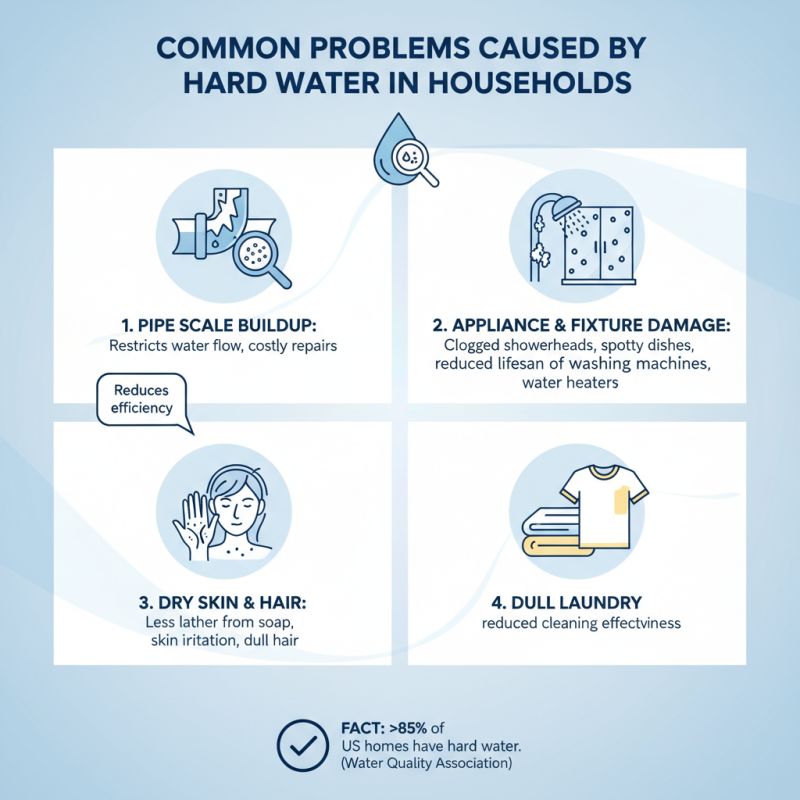
Hard water is characterized by high mineral content, primarily calcium and magnesium. These minerals can create problems in homes. They lead to scale buildup in pipes and appliances. This accumulation reduces efficiency and shortens the lifespan of fixtures. Understanding hard water helps in addressing these issues effectively.
Identifying hard water can be simple. Signs include water spots on dishes or a film on bathroom surfaces. You may notice soap struggling to lather in the shower. These are daily reminders of hard water's impact. Water testing kits are available for accurate assessments. They provide a reliable means to understand your water quality.
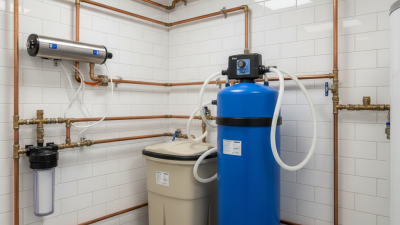
Water softeners are often recommended solutions. They typically exchange hard minerals with sodium or potassium. While effective, they may not suit everyone's needs. Cost and maintenance are factors to consider. Alternatives like vinegar or citric acid can help, but they require consistent effort. Reflecting on the best solution for you involves weighing convenience against effectiveness.
Overview of Treatment Methods for Hard Water
Hard water is a significant issue in households across North America. It's characterized by high mineral content, particularly calcium and magnesium. Studies indicate that nearly 85% of U.S. homes are affected by hard water, causing a range of problems from scale buildup to reduced appliance efficiency. This warrants a closer look at effective treatment methods available for consumers.
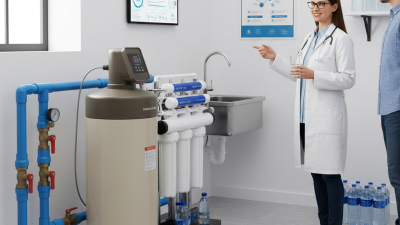
One common solution is ion exchange systems. These systems replace hardness minerals with sodium or potassium ions. According to research from the Water Quality Association, these systems can reduce hardness by over 95%. However, they require regular maintenance and monitoring to ensure optimal performance. Another approach is reverse osmosis, which filters out many impurities, including hard minerals. While effective, it can be wasteful, using three gallons of water for each gallon purified.
Magnetic and electronic descalers are emerging treatments that claim to alter mineral structure to prevent scale buildup. However, scientific support for their efficacy is mixed, leading to skepticism among experts. Homeowners need to weigh the benefits against implementation costs and potential long-term effectiveness. Understanding local water conditions is crucial to making informed decisions. There isn't a one-size-fits-all solution. Each method presents its own set of challenges, requiring careful consideration before making a commitment.
Best Hard Water Treatment Solutions for 2026
Comparative Analysis of the Best Hard Water Treatment Solutions
As water hardness becomes a growing concern, numerous treatment solutions have emerged. The
2023 Water Quality Report highlights that over 85% of U.S. households face hard water issues. This statistic underscores the significance of effective treatment options.
The two primary methods are ion exchange systems and water softeners. Research from the Water Research Foundation shows that ion exchange methods can reduce hardness levels by up to 99%.
However, these systems require regular maintenance. Users often report the need for frequent resin replacements, which can lead to unplanned expenses. On the other hand,
physical water conditioners are gaining popularity. They claim to alter the behavior of calcium and magnesium minerals, making them easier to manage. Yet, their efficacy remains debated, with studies showing mixed results.
Environmental considerations also factor into the decision-making process. Many households seek solutions that minimize salt discharge into water systems.
Academic research from the University of California indicates that eco-friendly options are still developing. They offer promising results but lack consistent long-term data.
Thus, the quest for the best hard water treatment continues, reflecting both user needs and industry advancements.
Future Trends in Hard Water Treatment Technology for 2026
As we approach 2026, the landscape of hard water treatment is evolving.
Experts predict an increase in environmentally friendly solutions. Innovations focus on minimizing chemical use while maximizing efficiency.
For instance, technology integrating advanced filtration systems aims to reduce mineral buildup. These setups are not only effective but also sustainable.
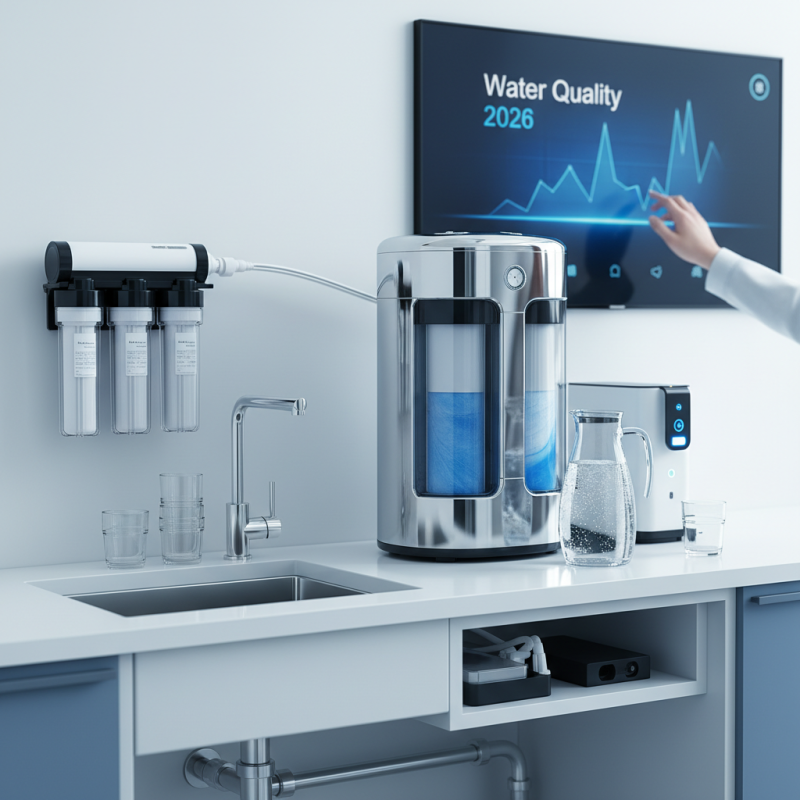
Alongside traditional methods, smart technology is gaining traction. Devices equipped with sensors can monitor water quality in real time.
Such systems notify users of changes, enabling proactive measures. However, reliance on technology raises questions about accessibility and user-friendliness.
Some still prefer manual systems, fearing technology may complicate maintenance.
The challenge lies in balancing sustainability and effectiveness. While new solutions emerge, they must address varying regional water qualities. More research is necessary to understand community-specific needs.
We must reflect on our approach to hard water treatment, ensuring that all households can benefit equally.