Top Benefits of Using a Water Filter and Softener for Your Home
In today’s world, ensuring the quality of the water we consume is of paramount importance. The introduction of a water filter and softener system in our homes can significantly enhance not only the taste of our drinking water but also its overall safety. With increasing concerns about contaminants and hard minerals present in tap water, the implementation of these systems offers numerous benefits that go beyond mere convenience.
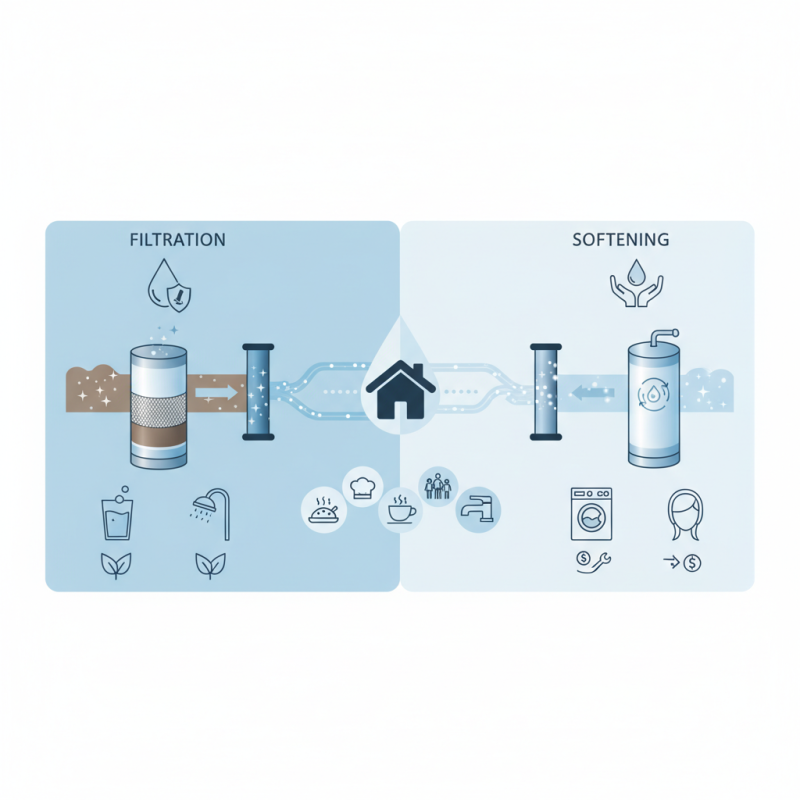
A water filter is essential for removing impurities such as chlorine, heavy metals, and bacteria, thus providing peace of mind to families who wish to maintain a healthy lifestyle. Coupled with a water softener, which targets hard water minerals like calcium and magnesium, homeowners can enjoy cleaner, softer water that is gentler on skin and appliances. The dual strategy of filtration and softening not only promotes better health but also extends the lifespan of plumbing systems and improves the efficacy of household detergents.
Overall, investing in a water filter and softener can lead to significant improvements in the quality of life at home. From enhancing the taste of food and beverages to protecting the integrity of appliances, the advantages of these systems make them an essential consideration for any homeowner looking to improve their water quality and sustain a healthier environment.
Understanding Water Filters: Types and Functions
When it comes to ensuring the quality of your home’s water supply, understanding the types and functions of water filters is crucial. Water filters come in various forms, including activated carbon filters, reverse osmosis systems, and UV purifiers, each serving unique purposes. Activated carbon filters are excellent for removing chlorine, sediment, and volatile organic compounds (VOCs), enhancing the taste and odor of drinking water. Reverse osmosis systems, on the other hand, provide a more comprehensive filtering process by eliminating a wide range of contaminants, making your water safer for consumption.
Tips: When choosing a water filter, consider your specific needs and the quality of your source water. Conducting a water quality test can help you determine which contaminants you need to filter out. Additionally, ensure regular maintenance and replacement of filter cartridges to keep your system running efficiently.
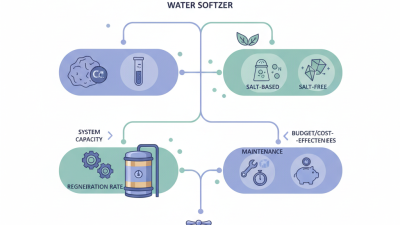
Water softeners also play an important role in home water management. They help reduce hard minerals like calcium and magnesium that can lead to limescale buildup in pipes and appliances. This not only extends the lifespan of your plumbing but also improves the efficiency of soaps and detergents. Softened water can lead to longer-lasting appliances, better cleaning results, and a more comfortable bathing experience.
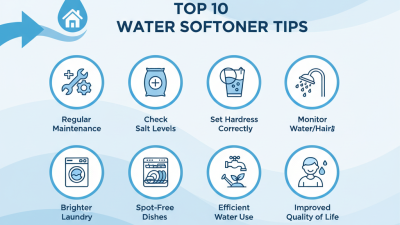
Tips: If you're considering a water softener, assess the hardness level of your water to select the right system. Regularly check and maintain your water softener to ensure optimal performance and efficiency in household tasks.
The Role of Water Softeners in Home Water Quality Improvement
The use of water softeners has become increasingly popular as homeowners seek to improve their water quality and overall health. Hard water, which contains high levels of calcium and magnesium, can lead to various issues such as scale buildup in pipes, reduced efficiency of appliances, and even skin irritation. According to a report from the Water Quality Association, approximately 85% of U.S. households are affected by hard water, which can significantly impact daily life and comfort.
Water softeners work by employing a process known as ion exchange, where harmful calcium and magnesium ions are replaced with sodium or potassium ions. This process not only enhances the taste of water but also prevents scale buildup, extending the lifespan of plumbing systems and appliances. A study by the National Sanitation Foundation indicates that soft water can reduce the use of detergents and cleaning products by up to 50%, leading to cost savings and decreased environmental impact. Moreover, softened water is gentler on skin and hair, promoting better health and hygiene for families.
Investing in a water softener can lead to a plethora of benefits beyond just improved water quality. Studies have shown that homeowners report increased satisfaction with their water quality, which translates to a higher quality of life. As water quality directly correlates with health, the right water treatment solutions can help mitigate certain health risks associated with hard water, making it a worthwhile consideration for households aiming to enhance their overall water experience.
Top Benefits of Using a Water Filter and Softener for Your Home
| Benefit |
Description |
Impact on Home Water Quality |
| Reduces Hardness |
Water softeners remove minerals like calcium and magnesium. |
Helps to prevent scale buildup in pipes and appliances. |
| Improves Taste |
Filtering water eliminates chlorine and other impurities. |
Provides cleaner, fresher tasting water for consumption. |
| Enhances Water Quality |
Filters can remove contaminants such as lead and pesticides. |
Results in safer water for drinking and cooking. |
| Extends Appliance Lifespan |
Softened water reduces wear on plumbing and appliances. |
Lower repair and replacement costs for household systems. |
| Softer Skin and Hair |
Softened water is gentler on skin and hair. |
Provides improved comfort and better overall skin health. |
Health Benefits of Drinking Filtered and Softened Water
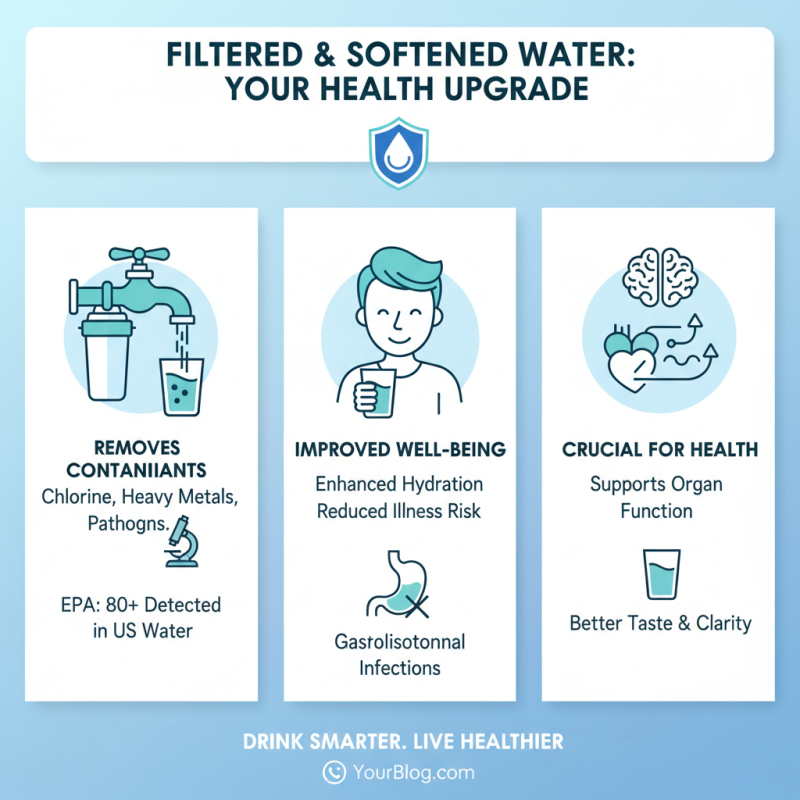
Drinking filtered and softened water offers numerous health benefits that are crucial for maintaining overall well-being. Research indicates that untreated tap water can contain a variety of contaminants, including chlorine, heavy metals, and biological pathogens. According to the Environmental Protection Agency (EPA), more than 80 contaminants have been detected in drinking water supplies across the United States. A water filter efficiently removes these harmful substances, which can lead to improved hydration and reduced risk of illnesses such as gastrointestinal infections.
Softened water also contributes to better health by reducing the likelihood of skin irritations and respiratory issues often aggravated by hard minerals like calcium and magnesium. The American Journal of Infection Control published a study indicating that exposure to hard water may increase skin problems, particularly in young children. Moreover, softened water can enhance the absorption of nutrients, which is vital for optimal bodily functions. Drinking this type of water can help maintain electrolyte balance and support overall hydration.
**Tips:** To maximize the health benefits of your water, consider installing a whole-house water filtration and softening system. Regular maintenance is vital; be sure to change filters according to manufacturer recommendations to ensure the efficiency of your system. Additionally, encourage family members to drink filtered water over plain tap water, as consistency is key to achieving long-term health improvements.
Cost Savings and Environmental Impact of Using Water Filters
Using water filters not only promotes healthier living but also presents significant cost savings for households. By installing a water filter, families can reduce their reliance on bottled water, which can accumulate high expenses over time. Purchasing bottled water not only impacts personal finances but also contributes to excessive plastic waste. With a home water filtration system, residents can enjoy clean, great-tasting water directly from their taps, leading to substantial savings in the long run.
Moreover, water softeners play a crucial role in reducing the wear and tear on appliances and plumbing systems caused by hard water. By ensuring the longevity of these systems, households can save on costly repairs and replacements. Additionally, using water filters and softeners has a positive environmental impact. A decrease in bottled water consumption leads to less plastic pollution and lower carbon emissions associated with the production and transportation of bottled water. By making the switch to home water filtration systems, families not only save money but also contribute to a more sustainable future.
Top Benefits of Using a Water Filter and Softener for Your Home
This chart illustrates the various benefits of using a water filter and softener in your home, highlighting significant cost savings, reduction in plastic waste, improved taste of water, health advantages, and decreased wear on appliances.
Maintenance Tips for Water Filters and Softeners in Your Home
Maintaining your water filters and softeners is essential not only for ensuring clean and soft water but also for prolonging the lifespan of these devices. Regular maintenance helps in preventing sediment build-up and maintaining optimal performance.
One key tip is to replace filter cartridges as recommended, typically every 6 to 12 months, depending on usage and water quality. Additionally, checking for leaks and inspecting connections can save you from future repairs.
Another important aspect is cleaning the water softener resin and brine tanks. Over time, salt can accumulate and affect efficiency. It’s advisable to use a brine clean solution every few months to prevent scaling and residue. Regularly adding salt and ensuring adequate levels can enhance the regeneration process.
Lastly, don’t forget to flush the system periodically to remove any trapped impurities, which helps maintain the water quality in your home. By following these tips, you can ensure that your water filters and softeners function effectively for years to come.