Top 10 Benefits of Using a Water Softener System for Your Home
In recent years, the importance of a water softener system for home use has gained significant attention. According to the Water Quality Association, approximately 85% of homes in the U.S. have hard water. This implies that millions struggle with issues related to mineral buildup. Edward White, a renowned water treatment expert, once stated, "Using a water softener can greatly enhance the quality of your daily life, from skin health to appliance longevity."
Softened water becomes an asset for households. It not only extends the lifespan of appliances but also improves the efficiency of cleaning products. Hard water often leads to soap scum and scale buildup, which can be frustrating. Research indicates that using a water softener system for your home can reduce detergent usage by up to 30%. This can provide significant savings over time.
Despite these undeniable benefits, some homeowners remain skeptical about installing such systems. Concerns over maintenance and initial costs can hinder decisions. However, these systems can lead to long-term savings through efficiency and appliance longevity. Investing in a water softener could be a game-changer for many families.
Understanding Water Hardness and Its Impact on Household Systems
Water hardness significantly impacts household systems. It is caused by minerals like calcium and magnesium in the water. According to the Water Quality Association, approximately 85% of households in the U.S. experience hard water issues. This can lead to several problems, like limescale buildup in appliances and plumbing systems.
[Image]
Limescale buildup can reduce the efficiency of water heaters. Studies show that this inefficiency can increase energy costs by up to 25%. Hard water can also affect laundry quality, leaving clothes feeling stiff and colors appearing dull. Over time, this can be quite frustrating for families, leading to more frequent replacements.
Additionally, hard water can impact skin and hair health. Many people report that their skin feels drier and more irritated when using hard water for bathing. This issue often requires additional skincare products, which can increase household expenses. Without a water softener, these issues may continue, forcing homeowners to confront the unpleasant effects of hard water on their daily lives.
How Water Softeners Work: The Science Behind the Process
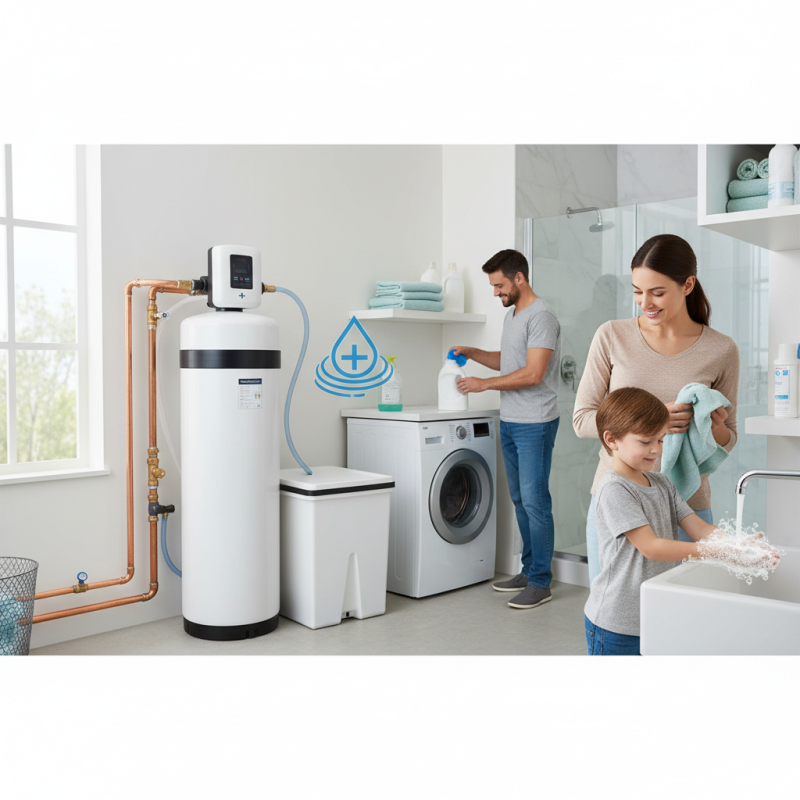
Water softeners play a vital role in improving household water quality. Understanding their functionality reveals a fascinating scientific process. At the heart of a water softener lies ion exchange. This process removes hard minerals, primarily calcium and magnesium, and substitutes them with sodium or potassium ions. Industry reports indicate that soft water can reduce scale buildup by as much as 80%. This can enhance the efficiency of plumbing systems.
When hard water flows through the softener, resin beads attract and capture magnesium and calcium ions. The beads then release sodium ions into the water. This exchange typically occurs in a tank filled with these beads. However, it is essential to replenish the beads regularly with salt. Many homeowners neglect this step, impacting the system's efficiency. In fact, studies show that improperly maintained systems can lead to a 25% reduction in water softening capability.
The impact of softened water is quite tangible. Laundry becomes cleaner and brighter. Appliances and fixtures remain free from hard water stains. Reports indicate that customers experience up to a 30% reduction in soap usage and a significant increase in appliance lifespan. Yet, some may worry about increased sodium intake from the softened water, which could raise health concerns. Balancing the benefits and potential drawbacks is crucial for effective usage.
Top Advantages of Installing a Water Softener in Your Home
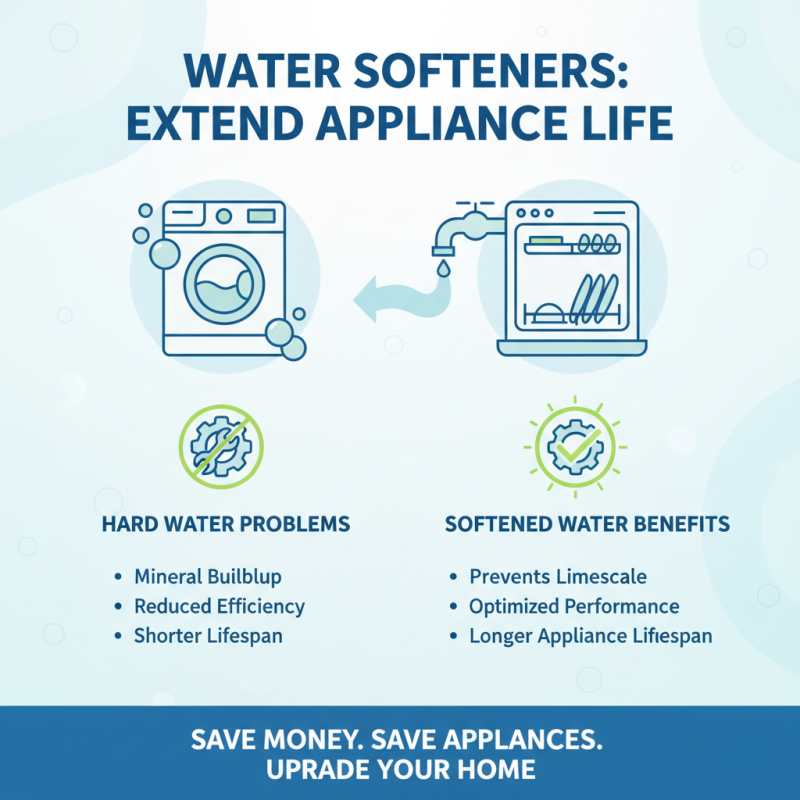
Water softeners are a great addition to your home. They reduce hard minerals in your water, leading to numerous benefits. One major advantage is the improvement of your appliances’ lifespan. Hard water can damage your washing machine and dishwasher. Softened water helps these appliances work properly.
Another key advantage is better skin and hair. Hard water can make skin dry and irritate. Softer water moisturizes your skin, leaving it smoother. Your hair may feel softer and shine more. This change might be subtle, but it can make a big difference over time.
**Tip:** Regularly check and maintain your water softener system. A small oversight can lead to reduced efficiency.
With softer water, your clothes will also look brighter and last longer. Hard water can cause detergent to work poorly. This means clothes may become dingy sooner. Softened water allows detergent to suds up properly, enhancing your laundry routine.
**Tip:** Try experimenting with different water softener settings. Find what works best for your household needs. Adjusting settings may lead to less salt and water usage.
Making this change may require a period of adjustment. You might notice a difference in taste and feel. It's all about understanding how improved water affects your daily life. Taking the time to adapt can yield substantial rewards.
Long-Term Cost Savings Associated with Water Softener Use
A water softener system can lead to significant long-term cost savings for your home. Hard water contains minerals like calcium and magnesium. These minerals can cause scale buildup in pipes and appliances. Over time, this may reduce their efficiency and lifespan. Repairing or replacing these appliances can be expensive.
When you install a water softener, you can extend the life of your plumbing system. It minimizes the deposits caused by hard water. This leads to fewer breakdowns and less maintenance. Additionally, your water heater can work more efficiently. This can result in lower energy bills, allowing you to save money in the long run.
Tips: Consider measuring your hardness level. This helps you select the right type of softener for your needs. Regular maintenance of your softener is key to its effectiveness. Don’t ignore any signs of low water pressure. This might indicate buildup in your system. It's worth investing time in these details, as they can save you more money down the line.
Improving Appliance Longevity and Efficiency with Softened Water
Hard water can significantly impact your home appliances.
Studies show that mineral buildup reduces appliance efficiency.
For instance, a water heater's efficiency can decline by up to 48% due to limescale buildup.
This is a severe issue for households. Using a water softener helps prevent this damage.
It removes calcium and magnesium, leading to cleaner appliances.
Imagine your dishwasher. With hard water, it can become less effective, increasing energy consumption.
Reports indicate that softened water can enhance the lifespan of dishwashers by 20%,
leading to notable savings over time. Washing machines also benefit from softened water.
They use less detergent and have fewer mechanical problems. This saves money on maintenance.
However, not everyone realizes these benefits. Many avoid investing in a water softener due to upfront costs.
A recent survey noted that 30% of households are unaware of the long-term savings.
Understanding the link between softened water and appliance longevity can change this perspective.
It highlights the importance of quality water for households.
Investing in a water softener is more than a choice; it's a long-term strategy for efficiency.