Best Water Softener System Reviews for Your Home Needs?
Choosing the right water softener system is essential for your home. Hard water can damage pipes and appliances. It leaves stains and makes cleaning harder. A water softener system addresses these issues effectively.
This guide reviews several top water softener systems available today. Our goal is to help you find the best option for your needs. Each system has unique features, benefits, and drawbacks. By understanding these, you can make an informed choice.
Investing in a water softener system improves your water quality. It enhances your quality of life by providing softer, cleaner water. However, the selection can be overwhelming. Many products claim to be the best. Therefore, examining reviews and expert opinions is crucial.
Overview of Water Softener Systems and Their Benefits
Water softener systems play a crucial role in improving water quality in homes. They reduce hardness caused by minerals like calcium and magnesium. Approximately 85% of American households are impacted by hard water, leading to issues such as scale buildup in plumbing and appliances. This can shorten the lifespan of pipes and water heaters, costing homeowners significantly in repairs.
The benefits of water softeners extend beyond just equipment protection. Softened water can enhance the effectiveness of soaps and detergents, promoting better cleaning results. Research indicates that using soft water can reduce laundry detergent use by up to 50%. This not only saves money but also lessens environmental impact. Softer water is gentler on skin and hair, benefiting those with sensitivities or conditions like eczema.
Despite these advantages, some consumers hesitate. They worry about sodium levels increasing in softened water, particularly in high-salt systems. This is a valid concern, as people with certain health conditions may need to monitor their sodium intake. Exploring alternative systems, such as potassium-based softeners, presents an opportunity for better health outcomes. Each household has unique needs, leading to a spectrum of opinions and methods regarding water softening solutions.
Comparison of Water Softener System Types
Types of Water Softener Systems Available for Home Use
When choosing a water softener system, understanding the types available is essential. One common type is the ion-exchange system. This system uses resin beads to replace hard minerals, like calcium and magnesium, with sodium ions. It helps prevent scale buildup in pipes and appliances. Regular maintenance is required to ensure continued effectiveness and longevity.
Another option is a salt-free softener. This system doesn’t actually soften water. Instead, it uses a different technology to prevent scale from forming. It’s a great choice for those who want to avoid sodium levels in drinking water. However, some users report that it may not be as effective in very hard water areas.
There are also portable softeners, perfect for small homes or rental properties. These units are compact and can be easily installed and removed. Yet, their capacity might be limited, so they are suitable for lighter usage. Each type has its advantages and drawbacks. Reflecting on personal needs is crucial for making the right choice.
Key Features to Consider When Choosing a Water Softener
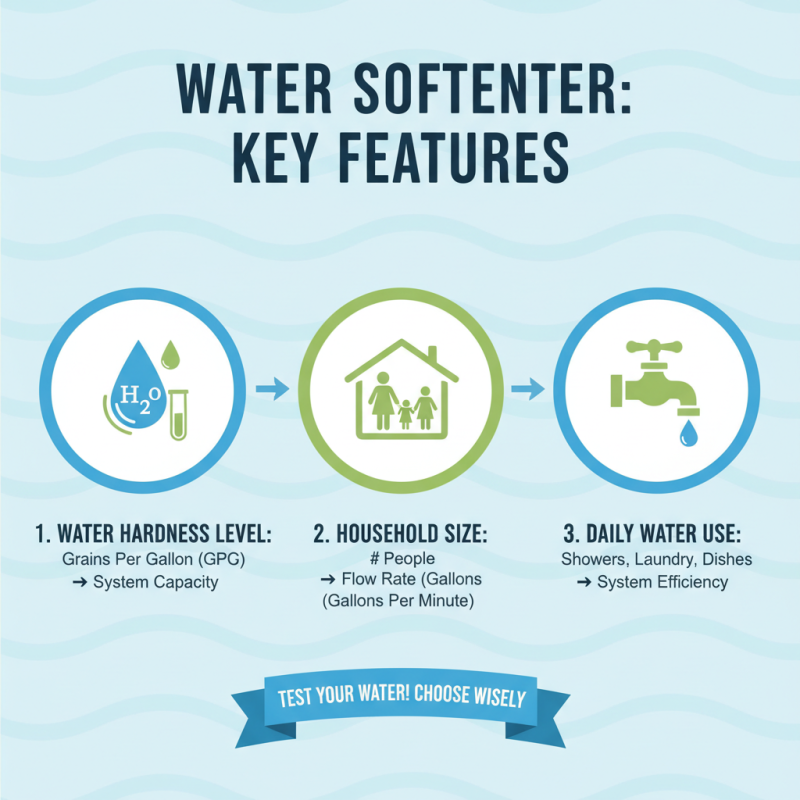
When selecting a water softener system, several key features warrant your attention. Water hardness level is crucial. Testing your water can reveal how many grains of hardness it contains. This information helps determine the ideal system capacity for your home. Additionally, consider your household size. Larger families require systems with higher flow rates to meet their daily needs effectively.
Regeneration type is another important factor. Some systems regenerate based on a timer, while others use metered regeneration. Metered systems may be more efficient, as they regenerate only when needed. Size and ease of installation also matter. A compact design fits better in smaller spaces. Professional installation might seem costly, but it ensures optimal performance.
Lastly, don’t overlook maintenance requirements. Regular salt refills and occasional cleaning are necessary for efficiency. Some systems may require more upkeep than others, which can be a drawback. Ensuring you can commit to maintenance routines is essential. Evaluating these features can help you make an informed decision, aligning with your specific water quality needs.
Top Rated Water Softener Systems: Reviews and Comparisons
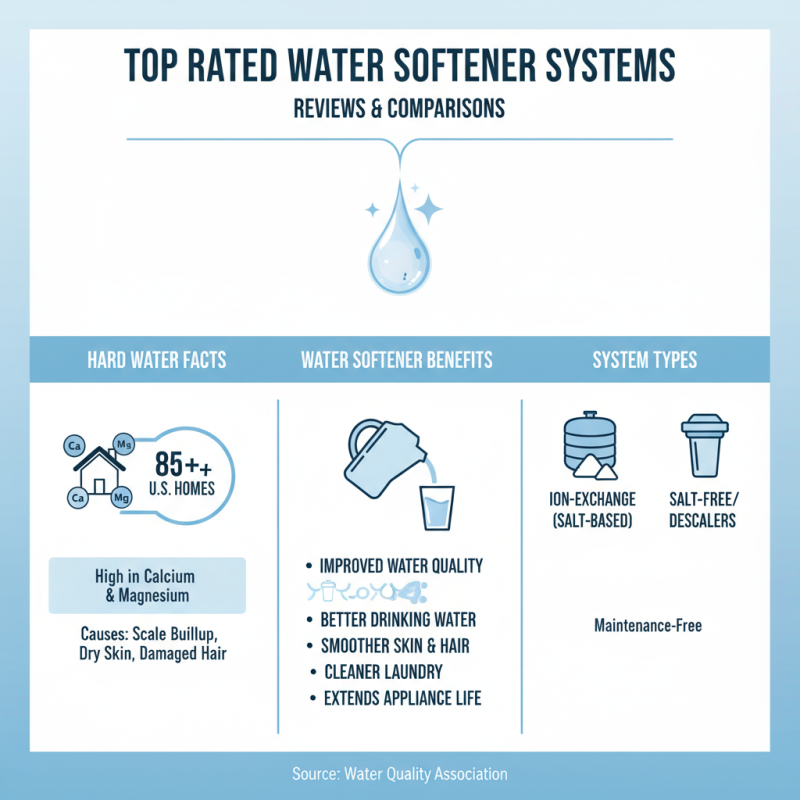
Water softeners address a common household issue: hard water. Hard water contains high levels of minerals like calcium and magnesium. According to a report by the Water Quality Association, more than 85% of American homes experience hard water problems. Softening systems can significantly enhance water quality for various uses, from drinking to laundry.
When reviewing water softener systems, it’s vital to look for efficiency and performance metrics. For instance, a reliable system can reduce scale buildup by over 90%. This reduction not only prolongs appliance life but also improves energy efficiency. Many consumers report reduced soap usage by about 50% when switching to softened water. However, some systems require regular maintenance, which can be a drawback. Knowing your water hardness level is crucial for selecting the right capacity.
User experiences can vary significantly. While many find that softened water feels smoother on the skin, others express concerns about salt usage. Some softeners employ innovative technology to reduce salt waste. Yet, not all systems are made equal, and a poor choice can lead to ineffective softening. Research and consumer reviews are invaluable in navigating these complexities.
Maintenance Tips for Optimal Performance of Water Softeners
Maintaining a water softener is essential for optimal performance. Regularly checking salt levels is crucial. Ensure the brine tank is filled with the right type of salt. Using the wrong salt can lead to inefficiency. Keep an eye on the level; it should be about half full at all times.
Another vital aspect is cleaning the resin tank. Over time, buildup can occur, affecting functionality. Periodic backwashing of the system helps. This process removes any accumulated debris. It may be easy to overlook this step, but neglect can lead to larger issues later on.
Lastly, inspect the system for leaks and corrosion. Signs of wear can impact water quality. Small issues may seem harmless, yet they can escalate. Early detection is key. A reliable schedule for maintenance checks can save money and ensure longevity. Staying proactive can help avoid unfortunate surprises.